
One Stop Solution for Office Furniture Supply
Best Ergonomic Furniture Manufacturers in China
Choosing among the Best Ergonomic Furniture Manufacturers in China takes more than comparing prices or polished product photos. A chair may look supportive in a catalogue but feel uncomfortable after several hours at a desk. The small details matter: adjustable lumbar support, a stable five-star base, breathable mesh, and controls that are easy to reach. Fit matters, too. One person’s comfortable seat may leave another’s feet dangling.
Ergonomic researcher Dr. Alan Hedge is often quoted as saying, “The best posture is always your next posture.” That idea offers a useful lens for evaluating Ergonomic Furniture: well-designed products should support movement and adjustment, not lock users into one rigid position. Still, no chair can replace regular breaks or suit every body. That caveat deserves attention.
This guide looks at Chinese manufacturers through practical questions: Do they explain dimensions and adjustment ranges? Can buyers review material specifications, sample products, and quality-control processes? Are customization options clear, or do they create uncertainty about delivery and consistency? These checks help readers compare office chairs, desks, and related furnishings with greater care. They do not guarantee a perfect purchase. Even detailed specifications can leave questions unanswered until a product is tested in a real workspace. A thoughtful shortlist begins with evidence, not promises.
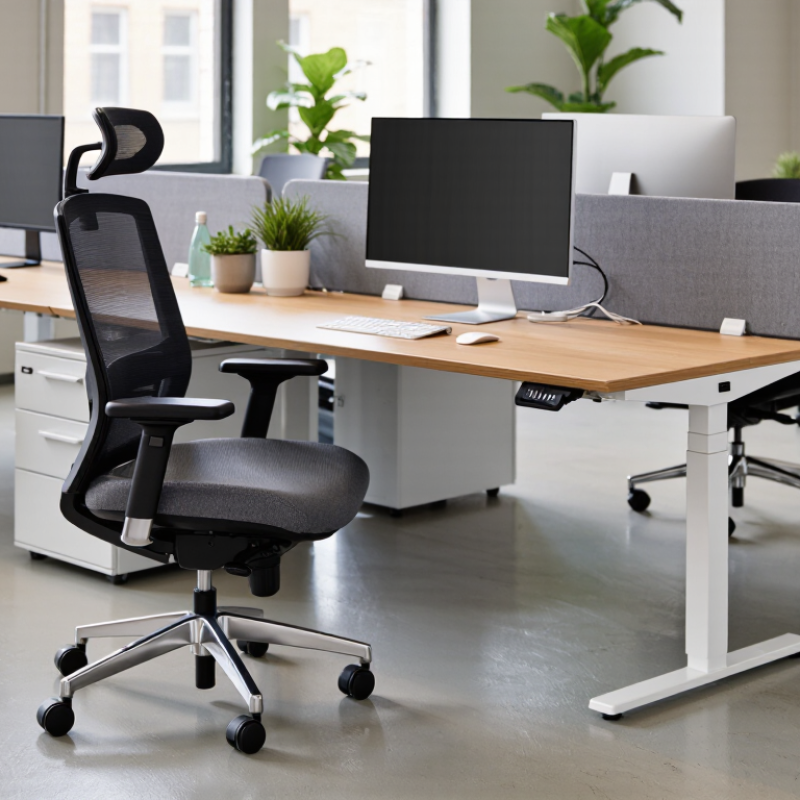
Overview of China’s Ergonomic Furniture Industry
China’s ergonomic furniture industry serves offices, home workers, schools, and shared workspaces. Manufacturers commonly produce adjustable desks, task chairs, monitor arms, and accessories. Many factories combine metal fabrication, molded components, upholstery, and final assembly under one roof. This can shorten production handoffs, though quality still depends on careful inspection at each stage.
Design work often begins with practical details: seat-height ranges, lumbar support, desk stability, and the reach of adjustment controls. A chair may look substantial in a showroom yet feel awkward after several hours. That gap matters. Buyers should assess fit, movement, materials, and maintenance rather than relying on appearance alone. Export-oriented suppliers may offer product customization and specification documents, but the depth of testing and after-sales support can vary. Ask for clear measurements, load ratings, warranty terms, and relevant test records. Inspect stitching, welds, moving joints, and the finish on desk edges. These checks are ordinary, but easy to skip when deadlines press. Not every adjustment suits every body. The sector continues to balance cost, comfort, durability, and increasingly flexible work habits.
| Product Segment | Typical Ergonomic Functions | Common Materials and Components | Manufacturing and Sourcing Context | Useful Buyer Checks |
|---|---|---|---|---|
| Office task chairs | Common options include adjustable seat height, backrest tilt, lumbar support, and armrests. Available functions vary by model. | Mesh or upholstered backs, molded foam, steel or aluminum components, and plastic bases or fittings. | Anji County in Zhejiang is a well-known chair-manufacturing cluster, with suppliers serving domestic and export markets. | Check adjustment range, dimensions, stability, mechanism durability, and test reports for the intended market. |
| Height-adjustable desks | Manual or electric height adjustment supports changes between seated and standing work positions. | Steel frames, electric lifting columns in powered models, control units, and wood-based or other desktop panels. | Production may involve separate sourcing of frames, motors, controls, and desktops before final assembly. | Confirm minimum and maximum height, rated load, operating noise, stability, power requirements, and warranty terms. |
| Monitor arms and mounts | Allow screen positioning adjustments such as height, tilt, swivel, or rotation, depending on the model. | Steel or aluminum arms, clamps or grommet mounts, and mechanical or gas-spring mechanisms. | Often sourced as complementary products alongside desks and office-workstation accessories. | Check monitor weight and size limits, desk thickness compatibility, and VESA mounting patterns; 75 × 75 mm and 100 × 100 mm are common patterns. |
| Ergonomic accessories | Footrests, keyboard trays, and related accessories can help users adapt workstation layouts to individual needs. | Common materials include molded plastics, steel, aluminum, foam, and textile coverings. | Accessories are produced by specialist suppliers as well as broader office-furniture manufacturers. | Review dimensions, adjustment method, surface finish, load limits, and compatibility with the intended workstation. |
| Industry geography | Regional supplier networks support different product categories, components, assembly, and export services. | Supply chains may include frame makers, upholstery workshops, mechanism suppliers, panel producers, and assembly facilities. | Zhejiang has a prominent chair-manufacturing base; Guangdong, including the Foshan area, is also a major furniture production region. | Assess supplier capability by product type, production sample, factory audit, quality system, and export experience rather than location alone. |
| Standards and evaluation | Ergonomic suitability depends on the user, task, product dimensions, and adjustment options; no single feature guarantees a suitable fit. | Testing may cover mechanical strength, stability, durability, materials, and product safety. | Requirements differ by destination market and product category. ISO 9241-5 addresses workstation layout and postural requirements for office work with visual display terminals. | Request applicable test reports and confirm that the tested model and configuration match the product being purchased. |
Related Posts
-
2026 Top Types of Executive Furniture for Global Buyers
-
2025 Technology Trends in the Office: How to Choose the Best Business Furniture for Innovation
-
7 Key Elements of the Best Office Furniture Design for Modern Workspaces
-
What Types of Office Furniture Tables Suit Your Workspace Needs
-
7 Tips for Choosing Seating For Office Spaces
-
Why Is an Office Table Essential for Modern Workspaces?