2026 Top Types of Executive Furniture for Global Buyers

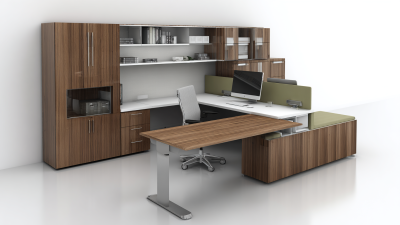
For global buyers, Executive Furniture in 2026 must combine authority, comfort, durability, and responsible design. A polished office is no longer judged by appearance alone. Buyers now examine construction details, ergonomic performance, material transparency, and long-term maintenance. The desk may feature walnut veneer, a cable-management tray, and a height-adjustable frame. Every detail affects daily work.

This guide explores major types, including executive desks, sit-stand workstations, conference tables, credenzas, storage cabinets, and executive seating. Each category serves a different business need. A large boardroom table supports negotiation and collaboration. A compact executive desk suits private offices with limited space. High-back chairs require careful testing, especially for lumbar support, seat depth, and breathable upholstery. Small differences matter.

Real procurement experience also reveals practical concerns. Buyers should compare product samples, packaging quality, assembly instructions, warranty terms, and replacement-part access. Suppliers should provide clear specifications and consistent quality records. Local electrical, safety, and material requirements must be verified before ordering. No single list is perfect. Preferences vary across regions, industries, and workplace cultures. Some premium finishes also show fingerprints quickly. That weakness deserves attention. Reliable decisions come from balancing visual impact with daily usability, shipping conditions, budget control, and responsible sourcing. The strongest Executive Furniture choices should look credible on opening day and remain dependable years later.
2026 Top Types of Executive Furniture for Global Buyers

Definition and Role of Executive Furniture in Modern Workplaces

Executive furniture refers to desks, chairs, storage units, and meeting pieces designed for senior workplace functions. It is more than expensive office decoration. Its role combines authority, comfort, privacy, and practical performance.

A well-designed executive desk may include a broad work surface, concealed cable routes, lockable drawers, and space for documents. An ergonomic chair supports long meetings without forcing rigid posture. Matching storage can keep contracts, devices, and personal items secure. These details influence concentration and reduce visual disorder. It signals responsibility.

In modern workplaces, executive furniture also shapes communication. A large desk can create distance, while a smaller round table may encourage direct discussion. Glass partitions can provide light, but they may weaken confidentiality. Workplace planners should consider room size, accessibility, acoustic control, and daily work habits before selecting materials. Durability matters too. High-use surfaces should resist scratches, stains, and repeated cleaning.

I have found that appearance alone is a poor buying guide. A polished finish may show fingerprints quickly. A heavy chair may look impressive but offer limited adjustment. These are easy mistakes during showroom visits. Global buyers need measurable specifications, clear warranties, responsible material information, and realistic delivery support. Local climate and installation conditions deserve attention as well. Executive furniture should express leadership without becoming uncomfortable, wasteful, or isolated from the wider team. That balance matters.

Main Types of Executive Desks, Tables, and Workstations

Executive Furniture for Global Buyers

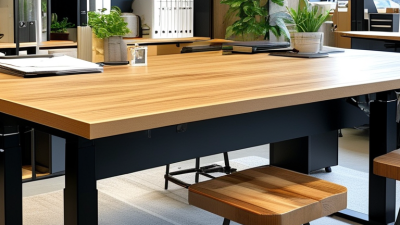
Executive desks, tables, and workstations shape how leaders work and meet. A traditional executive desk offers authority, storage, and a broad writing surface. Choose one with cable access, durable edging, and enough legroom for long working hours. A sit-stand executive desk supports movement, but its motor quality needs careful checking. Stability matters more than speed.

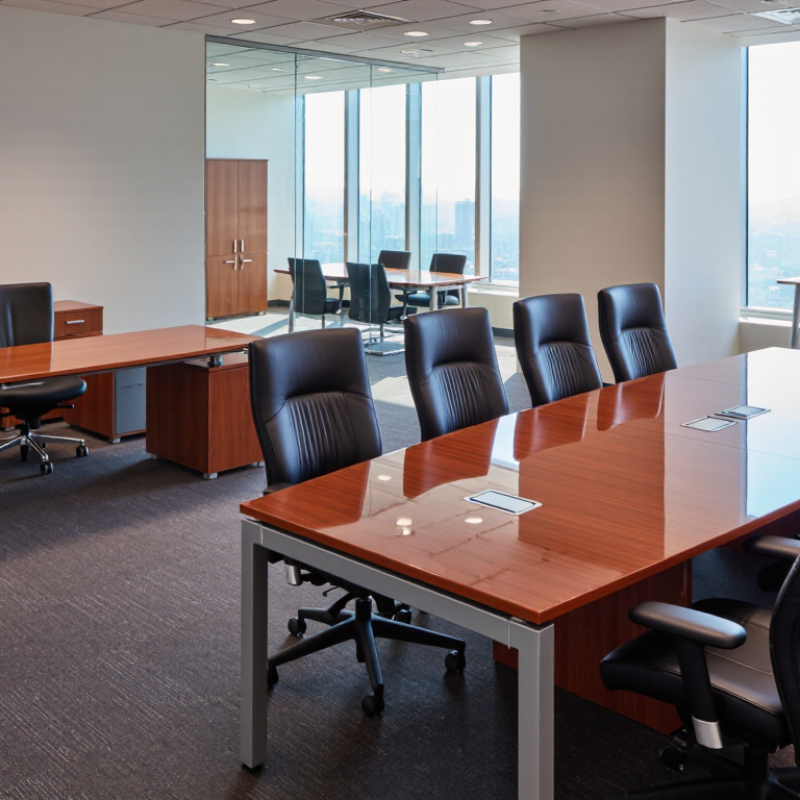
Executive conference tables support negotiations, presentations, and team decisions. Rectangular tables suit formal rooms, while boat-shaped designs improve sightlines. Round tables encourage equal participation in smaller offices. Modular meeting tables can adapt to different room sizes. However, connectors may loosen over time. Reliable manufacturers should provide clear load ratings, material details, and assembly guidance.

Tips: Measure doorways, lifts, and installation routes before ordering. Confirm electrical standards for each destination. Ask for finish samples under natural and artificial light. Workstations need privacy screens, adjustable monitor arms, and practical storage. Test chair clearance with the desk frame. I have seen attractive layouts fail because cables crossed walking paths. A perfect plan rarely exists. Leave room for revision.

2026 Top Types of Executive Furniture for Global Buyers - Main Types of Executive Desks, Tables, and Workstations

Furniture Type Typical Dimensions (W × D × H) Primary Function Recommended Users Common Materials Storage Capacity Cable Management Global Procurement Considerations
Traditional Executive Desk 1,600–2,200 × 800–1,000 × 720–760 mm Formal executive work, document review, and visitor meetings Senior executives and private-office users Engineered wood, veneer, laminate, metal hardware, glass accents 2–4 drawers; optional pedestal or modesty storage Rear cable ports and concealed wire channels are commonly available Confirm knock-down packaging, panel thickness, scratch resistance, and local electrical accessories
L-Shaped Executive Desk 1,800–2,400 × 1,600–2,000 × 720–760 mm Separates computer work from paperwork or guest interaction Executives with high document or equipment needs Laminate or veneer panels, steel frame, aluminum or plastic cable fittings 4–8 drawers, side storage, or integrated credenza options Multiple cable openings and under-desk trays support several devices Check left/right configuration, room access, carton dimensions, and assembly sequence
Height-Adjustable Executive Desk 1,400–2,000 × 700–900 × 650–1,250 mm Alternates between seated and standing work Executives prioritizing posture variation and flexible work MDF or particleboard top, powder-coated steel lifting columns Usually limited to drawers or a separate mobile pedestal Cable chain, under-desk basket, power module, and anti-collision controls may be included Verify voltage, plug type, lifting load, noise level, control compatibility, and spare-parts support
Executive Workstation with Return 1,600–2,000 × 1,600–1,900 × 720–760 mm Combines a main work surface with a perpendicular return Managers, department heads, and project leaders Laminate or veneer worktops, steel or wood-based supports 2–6 drawers with optional overhead or low storage Desktop grommets and under-surface cable trays are typical Specify handedness, modular dimensions, leveling feet, and workstation screen requirements
Executive Bench Workstation 1,200–1,600 × 1,200–1,600 × 720–760 mm per user Supports collaborative work while maintaining individual work areas Leadership teams and project-based offices Laminate tops, steel frames, acoustic screens, integrated modesty panels Shared pedestals, mobile storage, or overhead cabinets Central cable spine and shared power modules reduce visible wiring Assess acoustic privacy, density, reconfiguration options, and regional fire-safety requirements
Executive Conference Table 2,400–4,800 × 1,000–1,400 × 720–760 mm Board meetings, negotiations, presentations, and video conferences 6–16 participants, depending on length and chair spacing Veneer, laminate, solid-surface panels, steel or wood-based legs Minimal integrated storage; nearby credenzas are commonly used Pop-up power boxes, floor boxes, cable troughs, and monitor connections Confirm seating capacity, tabletop span, delivery access, module standards, and surface durability
Boat-Shaped Conference Table 2,400–4,200 × 1,200–1,500 × 720–760 mm Improves sightlines and provides a more spacious central meeting surface 8–14 participants in executive meeting rooms Veneered or laminate top, metal or panel legs, optional glass insert No built-in storage; compatible with sideboards and credenzas Central cable box and concealed routing beneath the tabletop Measure doorways and elevators carefully because curved tops can increase handling complexity
Modular Conference Table 1,800–6,000 × 900–1,400 × 720–760 mm Creates flexible meeting layouts from connectable modules 4–20 participants, depending on configuration Laminate or veneer modules, steel connectors, adjustable legs Usually none; storage is provided by separate units Module-to-module cable linking and removable access panels Useful for phased purchasing; confirm connector tolerances, replacement modules, and layout drawings
Executive Credenza and Sideboard 1,600–2,400 × 450–600 × 700–850 mm Stores documents, presentation equipment, office supplies, and service items Private offices, meeting rooms, and executive suites Veneer, laminate, tempered glass, engineered wood, metal fittings 2–4 compartments with adjustable shelves and optional drawers Rear ventilation openings and cable cutouts for audiovisual devices Check shelf load, ventilation, lock specification, wall clearance, and anti-tip provisions
Executive Reception Workstation 1,800–3,000 × 800–1,200 × 1,050–1,200 mm Supports visitor reception, screening, administrative work, and controlled access Reception staff and executive office coordinators Laminate or veneer panels, solid-surface counter, metal support frame Lockable drawers, file storage, and concealed equipment compartments Integrated power, telephone, network, and monitor cable routing Review accessibility, counter height, privacy screens, visitor flow, and local building codes
Dimensions are typical planning ranges in millimetres. Actual specifications vary by configuration, ergonomic requirements, room layout, packaging method, and applicable regional standards.

Executive Seating: Chairs, Sofas, and Collaborative Furniture

Executive seating shapes how leaders work, host visitors, and make decisions. A chair should support long meetings without appearing overly formal. Adjustable seat height, firm lumbar support, and responsive armrests improve daily comfort. Small details matter.

On-site trials often reveal problems that product images hide. A seat may feel comfortable for ten minutes, then create pressure after an hour. Sofas also need careful review. Deep cushions can look inviting but may limit posture and accessibility.

Durable upholstery, stable frames, and easy-clean surfaces suit busy executive areas. Materials should match local fire-safety requirements and climate conditions.

Collaborative furniture brings a different challenge. Modular sofas, compact lounge tables, and movable chairs help teams change room layouts quickly. A round table encourages equal participation. Integrated power access supports practical work, but loose cables can weaken the room’s appearance and safety.

Global buyers should confirm dimensions, packaging, assembly instructions, and replacement-part availability before placing large orders. Shipping damage is not a minor issue.

A useful specification includes user testing, not only visual approval. Comfort remains subjective. Cultural preferences also vary between markets. Even experienced purchasing teams can overvalue appearance and underestimate maintenance. That deserves honest review.

Materials, Design Styles, and Functional Features to Compare

2026 Top Types of Executive Furniture for Global Buyers

Executive furniture now combines status, durability, and daily usability. Materials deserve careful comparison. Solid wood offers warmth, but it may expand in humid offices. Veneer provides visual consistency and can reduce material waste. High-pressure laminate resists stains and frequent cleaning. Powder-coated metal adds strength to frames and drawer structures. Glass creates a lighter appearance, although fingerprints quickly become visible.

Looks can mislead. I once selected a beautiful desk with a thin worktop, only to notice cable clutter and edge damage within months. Check panel thickness, joint construction, surface repair options, and weight capacity. Ask suppliers for material specifications, safety test reports, and clear warranty terms. Local climate, shipping conditions, and maintenance habits should influence the final choice.

Design style should support the executive’s work pattern. Minimalist desks suit technology-focused rooms, while traditional forms create a more formal presence. Contemporary wood and metal combinations can balance authority with openness. Functional features matter more than decoration. Look for adjustable monitor supports, concealed cable channels, soft-close drawers, lockable storage, and accessible power modules. Ergonomic height options help users who alternate between sitting and standing. Measure twice. A large desk can overwhelm a small office, while limited storage creates unnecessary movement. Details matter. Even experienced buyers may overlook glare from glossy surfaces or the noise of hard-closing drawers.

Selection Standards for Global Buyers in 2026

In 2026, global buyers are choosing executive furniture by evidence, not appearance alone. A desk may look impressive, yet poor cable management creates daily frustration. Measure room dimensions, user posture, and equipment weight before approving a design. Height-adjustable executive desks support changing work patterns, while ergonomic chairs need adjustable lumbar support, seat depth, and armrests. Test samples for several hours. Short showroom trials can mislead.

Material records now matter as much as finish quality. Ask for recycled-content data, formaldehyde testing, fire-performance documents, and responsible timber certifications where relevant. Verify the issuing bodies and document versions. “Sustainable” is too vague. Check edge durability, veneer consistency, stain resistance, and repair options. For leather or textile upholstery, request abrasion ratings and cleaning instructions. Local climate changes the decision; humid offices need resistant finishes and stable panel construction. Cold, dry regions may expose different weaknesses.

Global procurement also depends on logistics and service. Confirm carton sizes, installation drawings, spare-part access, warranty terms, and response times before placing a large order. Import duties and local safety rules should be reviewed by qualified regional advisers. A secure executive storage unit needs reliable locks and sensible internal organization, not excessive weight. Meeting tables should allow clear sightlines and accessible cable routes. I would not approve every premium finish again; some show fingerprints within minutes. That small lesson changed our evaluation sheets. Buyers should record failed tests, not hide them. Price remains important, but replacement costs can quietly exceed the original saving.