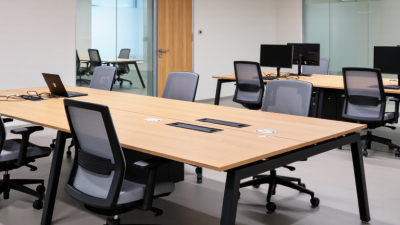
Why Is an Office Table Essential for Modern Workspaces?

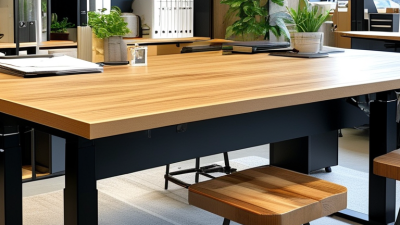
An Office Table is more than a surface for a laptop, notebook, and coffee cup. It quietly shapes how people focus, communicate, and move through a working day. In a modern workspace, the table may support deep concentration at 9 a.m., a video meeting at noon, and collaborative planning by late afternoon. Its design must therefore respond to real behavior, not just visual trends.

Microsoft’s 2023 Work Trend Index found that 62% of meetings were unscheduled or ad hoc. This finding highlights the need for flexible work settings and easily accessible surfaces. A well-designed Office Table can provide cable management, adequate depth, stable monitor placement, and enough room for shared documents. These details reduce small interruptions that accumulate across hours. They also support healthier posture when combined with an adjustable chair and correctly positioned equipment. The ANSI/BIFMA G1 ergonomic guidelines offer useful principles for workstation planning, although no standard can replace individual assessment.

Gensler’s 2024 Global Workplace Survey also emphasizes that effective offices must support both individual and collaborative work. A table with modular layouts, durable materials, and practical storage can help achieve that balance. Still, furniture is not a complete productivity solution. Poor lighting, constant notifications, and unclear work policies may undermine even the best desk. That is the uncomfortable part. The Office Table matters, but its value depends on the wider environment, user habits, and thoughtful workplace management.
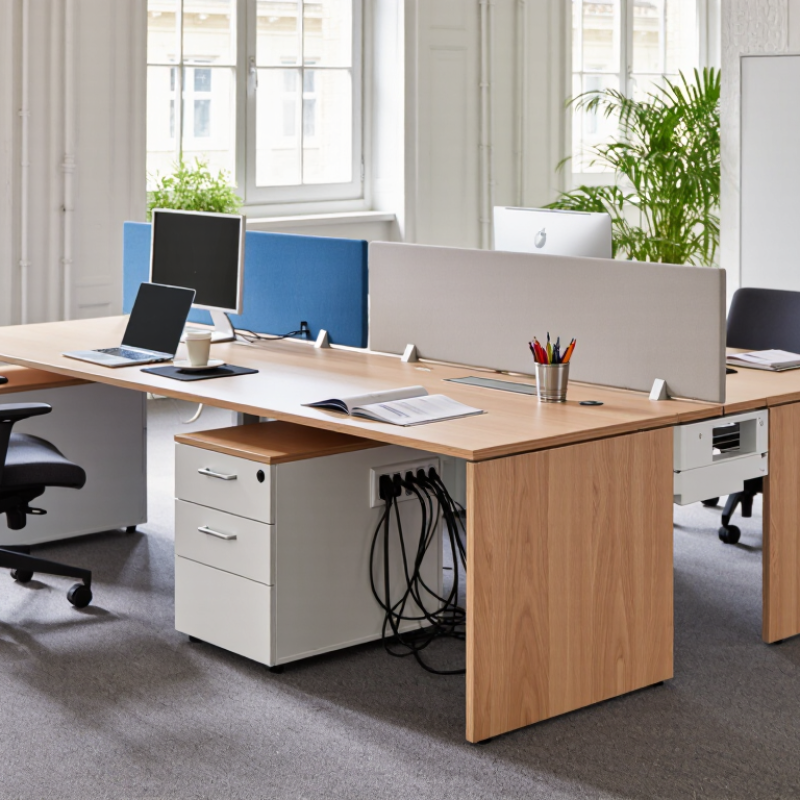
Why Is an Office Table Essential for Modern Workspaces?

Definition and Core Functions of an Office Table

Why Is an Office Table Essential for Modern Workspaces?

An office table is a stable work surface designed for professional tasks. It supports equipment, documents, writing materials, and daily communication. Unlike a simple household table, it usually addresses posture, cable management, storage, and efficient movement. Its dimensions influence how comfortably a person can work for several hours. In practice, the table becomes the physical center of a workstation. That definition is useful, but incomplete. An office table also shapes habits, privacy, and collaboration.

Its core function is to keep essential tools within easy reach. A monitor, keyboard, notebook, and phone should fit without creating visual or physical clutter. Adequate legroom allows users to adjust their position naturally. Stable legs prevent distracting movement during typing or meetings. Rounded edges can reduce pressure on forearms.

Small details matter. Cable openings may prevent wires from crossing walking paths, while modest storage keeps frequently used files nearby. In shared offices, movable tables can support teamwork, although constant movement may create noise and interruptions.

Workplace planners often assess table height, surface depth, lighting, and user reach together. These factors should be checked with real equipment, not only catalog measurements. A table that looks spacious may feel cramped after adding a monitor stand and paperwork. I have also seen people choose oversized surfaces, then lose useful movement around them. That choice is not always efficient. A practical office table should match the user’s tasks, available floor area, and need for focus or interaction. Its value appears through repeated daily use, not appearance alone.

How Office Tables Support Organization and Productivity

An office table is more than a surface for a laptop. In a modern workspace, it becomes a quiet system for organizing daily work. A clear tabletop separates active tasks from archived materials. Documents stay in labeled trays, while notebooks remain within easy reach. This small arrangement reduces searching and protects attention during busy periods. It is not magic. Clutter returns quickly without a simple routine.

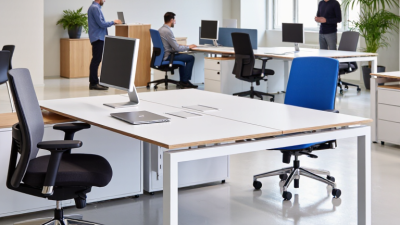
Table dimensions also influence productivity. Adequate depth keeps the monitor at a comfortable distance and leaves space for writing. A stable surface prevents small movements from distracting during calls or detailed work. Cable openings can reduce tangled wires, although poorly placed openings may create new annoyances. Shared tables work best when each person has a defined area. A modest divider, drawer, or portable organizer can mark that boundary. Good layout supports behavior, but it cannot replace clear team habits.

From practical workspace planning, the most useful table matches the work performed. A finance worker may need room for printed records. A designer may value an uncluttered area for sketches and samples. Adjustable height can support movement, yet constant adjustment is not guaranteed. People often forget to use it. Weekly surface checks reveal what is genuinely needed. Removing one unused item may improve access more than buying additional storage. The result is a calmer workspace that remains easier to maintain.

Key Design Features for Comfort and Efficient Work

Why Is an Office Table Essential for Modern Workspaces?

Key Design Features for Comfort and Efficient Work

A well-designed office table supports comfortable posture, clear thinking, and steady daily performance. Its height should let your elbows rest near a right angle while typing. A spacious surface keeps the monitor, notebook, and keyboard within easy reach. Small details matter. Rounded edges can reduce pressure on forearms during long work sessions.

Cable management also affects efficiency. Built-in openings or rear channels prevent wires from spreading across the floor. This creates a cleaner work area and lowers the risk of accidental snags. A stable frame is equally important. Even minor shaking can become distracting when someone writes, reads, or joins a video meeting. I have found that strong construction feels more useful than decorative features.

Material choice influences comfort and maintenance. A smooth, matte surface reduces glare from windows and overhead lighting. Durable finishes are easier to clean after coffee spills or frequent handling. Adjustable legs can help level the table on uneven flooring, although they may add cost and visual complexity. This is where design decisions become less perfect. More storage is not always better, because crowded drawers can reduce usable space. An effective office table should leave room to work, not merely look organized. Its size, shape, and accessories should match the user’s actual habits.

Office Table Types for Different Modern Workspace Needs

Modern workspaces need more than a flat surface. The right office table supports posture, concentration, teamwork, and changing work patterns. Table selection should follow the task, room size, and daily movement of people.

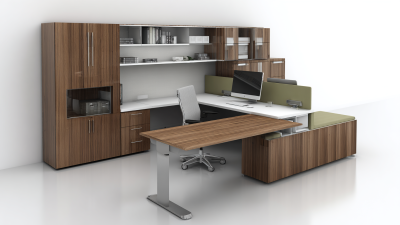
A height-adjustable table suits employees who alternate between sitting and standing. It can reduce long, fixed postures, although it cannot replace proper breaks or ergonomic training. A compact writing table works well in private rooms, especially when documents, a laptop, and a lamp are the main tools.

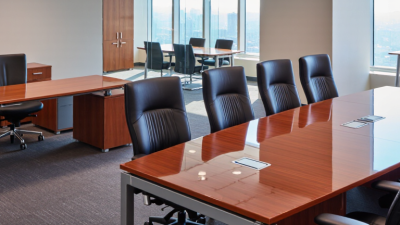
For shared projects, a large meeting table provides clear sightlines and enough space for notebooks, screens, and samples. Modular tables are useful in flexible offices because teams can rearrange them for workshops or quieter sessions. Not always. Frequent movement may create noise and require careful cable planning.

Collaborative areas often benefit from round or boat-shaped tables, which improve eye contact and reduce visual barriers. Hot-desking zones need durable surfaces, simple power access, and enough clearance for personal storage.

In reception or training spaces, tables with rounded edges can improve circulation and user safety. Practical experience suggests that appearance alone is a weak buying guide. A beautiful table may feel cramped after one busy week. Test the working height, reach distance, chair clearance, and cleaning routine before choosing. Small details matter.

Factors for Selecting a Suitable Office Table

Why Is an Office Table Essential for Modern Workspaces?

Factors for Selecting a Suitable Office Table

A modern office table supports concentration, posture, and daily workflow. Choosing one requires more than checking its appearance. I have learned this through practical workspace planning. My first table looked elegant but felt cramped after several hours. A suitable table should match the worker’s tasks, equipment, and available room.

Measure the space before purchasing. Leave enough clearance for chairs, walking paths, and opening drawers. A depth of about 60 to 80 centimeters often supports a monitor, keyboard, and notebook. However, individual needs vary. Remote workers may require extra room for documents and lighting. Check the table’s height, edge shape, and leg placement. Sharp edges and blocked knees can create discomfort over time. Strong, stable materials also matter, especially when screens and storage devices remain on the surface.

Tips: Write down your daily equipment before selecting a table. Test the sitting position if possible. Keep cables away from leg space. Choose a surface that is easy to clean. Do not ignore visual comfort. A glossy finish may reflect overhead lights and cause eye strain. Adjustable options can help, but they are not automatically better. A complicated mechanism may remain unused. Think carefully.

Why Is an Office Table Essential for Modern Workspaces?

Factors for Selecting a Suitable Office Table

Suitable office tables should provide enough surface area for the user’s equipment, support an ergonomic working posture, and adapt to different work activities. The planning dimensions below reflect common office-furniture guidance: wider and deeper surfaces are generally preferred for dual-monitor, collaborative, and meeting applications.