How to Choose the Best Home Office Furniture in 2026?
A home office is more than a desk tucked beside a window. It is where video calls meet paperwork, charging cables gather, and a dining chair can become uncomfortable by noon. Choosing Office Furniture Home essentials in 2026 means balancing comfort, available space, storage, and changing work habits—not simply buying a matching set.
The 2024 Survey of Working Arrangements and Attitudes, led by economists Nicholas Bloom, Steven J. Davis, and Jose Maria Barrero, estimated that roughly 28% of paid workdays in the United States were performed from home. That figure is a useful signal, not a promise that every household needs a full office. A compact desk, an adjustable chair, and reachable storage may serve one worker better than bulky furniture. Measure the room first. Include door swings, walkways, and screen glare.
Ergonomist Alan Hedge, professor emeritus at Cornell University, is associated with the reminder, “The best posture is the next posture.” It captures a practical point: furniture should support movement, not lock someone into one position. Look for a chair that adjusts to the user, a desk suited to the tasks, and lighting that keeps papers readable without washing out a screen. No chair fixes every discomfort, and product claims deserve scrutiny. The recommendations ahead compare materials, dimensions, adjustability, and budget so buyers can make a considered choice for their actual home—not an idealized showroom.
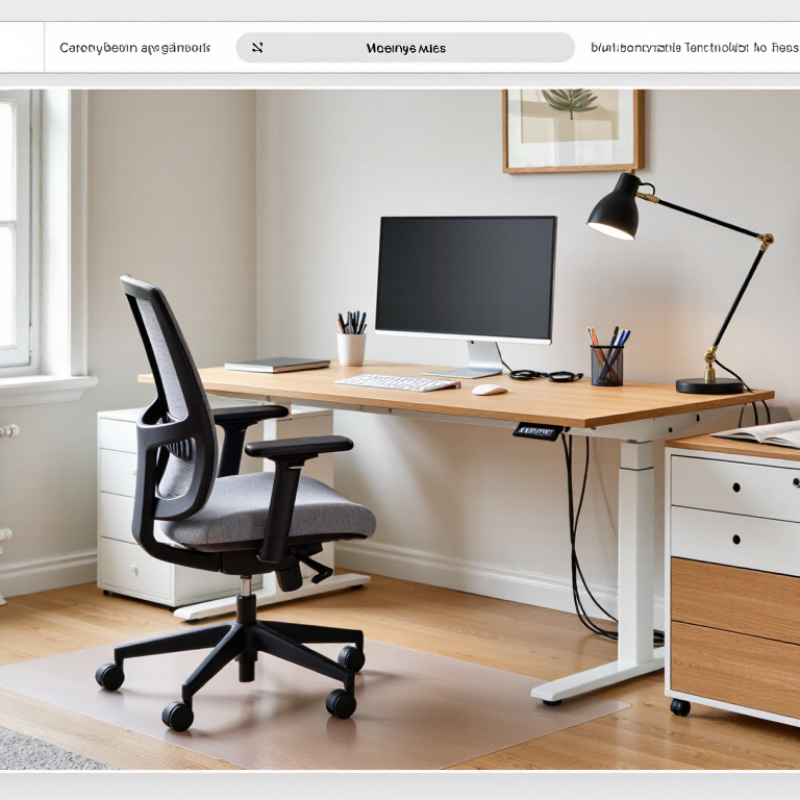
Assess Your Work Habits and Home Office Needs
Before choosing furniture, notice how your workday actually unfolds. Do you sit for long stretches, switch between a laptop and paper files, or take calls while standing? Track a typical day for a few days. That detail matters. A compact desk may suit focused laptop work, while frequent sketching or paperwork needs a deeper surface.
Measure the room, including doorways, drawers, and the space behind your chair. Leave enough clearance to move without bumping a wall or shelf. For a seated setup, check that your feet can rest flat and your elbows stay near desk height. These are useful starting points, not a substitute for adjusting furniture to your body. If several people share the room, consider a chair and desk that can be adjusted quickly.
Think about the small frictions you encounter. A cable stretched across the floor, glare on a screen at 3 p.m., or nowhere to put a notebook can disrupt concentration. Choose storage for items you reach for daily, and keep less-used supplies out of your main work area. If video calls are routine, test the camera angle and background before buying a large shelving unit. I have found that a tidy-looking setup can still feel awkward after a full week; habits often reveal needs that a quick room sketch misses.
Measure Your Space and Plan a Functional Layout
Measure the room before browsing for furniture. Note wall lengths, window positions, door swings, outlets, and heating vents. A quick sketch is enough. Mark permanent features clearly, then measure the desk area again; small errors can make a chair difficult to pull out.
Plan around your daily tasks, not a showroom image. Leave enough space behind the chair to move comfortably, and keep frequently used items within reach. A clear path to the door matters, especially in a shared room. Try marking the desk and storage footprint on the floor with painter’s tape. Walk through the layout. Does the chair hit a cabinet? Can you open drawers fully? These simple checks reveal problems before furniture arrives.
Consider daylight and glare when placing the desk. Facing a window may feel pleasant, but screen reflections can become tiring; placing it perpendicular to the window often works better. Keep cables near outlets without crossing walking paths. Measure the furniture’s actual depth, including handles and chair movement, rather than relying on a rough estimate. Not every room allows an ideal arrangement. A slightly awkward corner may still be the practical choice, so test it for a few days before committing to extra storage.
How to Choose the Best Home Office Furniture in 2026? – Measure Your Space and Plan a Functional Layout
Measure the usable floor area, including doors, windows, outlets, and fixed features, before choosing furniture. The dimensions below are practical planning examples; clearances are recommendations, not building-code requirements.
| Usable Room Footprint |
Desk Planning Size |
Chair and Movement Space |
Storage Option |
Suggested Layout |
| About 6 × 8 ft (48 sq ft) |
36–48 in wide × 20–24 in deep |
Allow roughly 30–36 in behind the desk where possible; keep the doorway clear. |
Wall shelves or a compact pedestal |
Place the desk against a wall and use vertical storage to preserve floor space. |
| About 8 × 10 ft (80 sq ft) |
48–60 in wide × 24–30 in deep |
Target about 36 in behind the chair and keep a clear route to the door. |
One narrow bookcase or a small filing unit |
Position the desk near a power outlet; avoid blocking windows or closet access. |
| About 10 × 12 ft (120 sq ft) |
60–72 in wide × 24–30 in deep |
Plan around 36 in behind the chair and a comfortable path around furniture. |
Bookcase, filing cabinet, or low storage credenza |
Create separate work and storage zones while keeping frequently used items within reach. |
| About 12 × 14 ft (168 sq ft) |
60–72 in wide × 30 in deep, or an L-shaped desk if measured carefully |
Maintain a clear chair pullback area and avoid narrowing the main walking route. |
Full-height shelving or a dedicated filing area |
Use the extra area for a meeting chair or secondary work surface without crowding the desk. |
| Shared room or open-plan corner |
Choose a desk width that fits the measured wall and leaves access to other room functions. |
Keep the desk chair from obstructing doors, walkways, or shared seating. |
Closed cabinets or wall-mounted shelves |
Define the work zone with a rug, lighting, or a low divider; check that screens avoid glare. |
Before purchasing, measure the desk footprint, chair movement area, storage depth, door swing, and walking paths. Test the layout with painter’s tape on the floor, and leave enough room to sit, stand, and reach equipment comfortably.
Choose Ergonomic Furniture for Comfort and Support
How to Choose the Best Home Office Furniture in 2026?
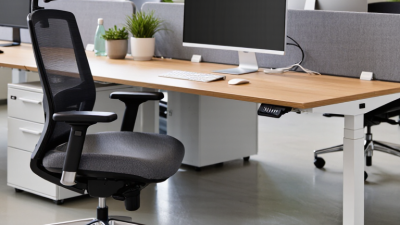
Choose a chair that supports your body through a full work session, not just a quick showroom test. Adjust the seat so your feet rest flat and your knees sit near hip level. The backrest should support your lower back without forcing you into a stiff pose. Armrests can help your shoulders relax, but they should slide under the desk comfortably. Small details matter. If possible, sit in the chair for several minutes and notice pressure behind your knees or tension in your shoulders.
Match the desk to your chair, then place your screen near eye level to avoid leaning forward. A height-adjustable desk can make standing easier, though it is not a cure for sitting too long. Changing positions matters more. I used to think a firm chair always meant better support; that is not quite right. The fit should feel steady, not restrictive. Leave enough room for your legs, keep frequently used items within easy reach, and check whether the furniture still feels comfortable after a week of ordinary work.
How to Choose the Best Home Office Furniture in 2026
Choose adjustable, ergonomic furniture that supports a comfortable fit. These reference ranges are starting points—not one-size-fits-all requirements.
Set chair height so your feet rest flat and your posture feels supported. Position the monitor about 20–40 inches away, adjusting for clear, comfortable viewing. Individual fit takes priority. Reference: OSHA Computer Workstations eTool.
Compare Materials, Storage, and Technology Features
In 2026, compare furniture by how it handles daily use, not just how it looks in a product photo.
Solid wood can feel sturdy and resist wear, but it may be heavy and costly. Quality laminate is easier to clean after a coffee spill, though chipped edges can be difficult to repair. Check joints, drawer slides, and desk legs in person when possible. Small details matter.
Storage should fit the work you actually do.
Measure your laptop, notebooks, and any equipment before choosing drawers or shelves. A shallow drawer may hold pens but not a full-size keyboard. Closed cabinets hide visual clutter, while open shelves keep reference books within reach. Yet too many compartments can make supplies harder to find. Even a neat setup can feel cramped.
Technology features should solve real problems.
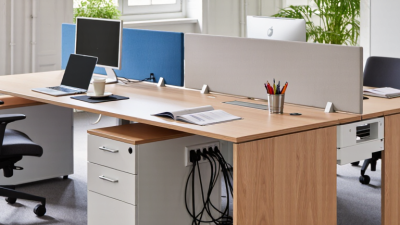
Look for accessible cable openings, built-in power outlets, and space for a charging hub. Confirm that cords can reach the outlet without crossing a walkway. A height-adjustable desk may help you alternate positions, but check its stable working range and weight limit. Convenience has limits.
Before buying, test whether the controls are easy to reach and whether the motor sounds distracting in a quiet room.
Balance Your Budget, Durability, and Sustainability
How to Choose the Best Home Office Furniture in 2026?
Balancing Your Budget, Durability, and Sustainability
Set a budget around how you actually work. Measure your room, desk area, and doorway before ordering; a chair that cannot slide beneath the desk quickly becomes an expensive obstacle. Spend more where daily wear is greatest, such as a supportive chair or a sturdy desktop. For shelves and drawers, simple construction may be enough. Check joints, weight limits, adjustment ranges, and warranty terms rather than relying on polished product photos. A lower price is not always a saving. I’ve learned that the hard way.
Tips: Compare the full cost, including delivery and assembly. Look for repairable parts, replaceable casters, and materials with clear sourcing information. Ask whether the seller offers spare components. Keep receipts.
Sustainability is practical, not just a label. Choose durable pieces that can be repaired, reused, or resold, and avoid buying furniture that barely fits your needs. Reclaimed or recycled materials can be useful, but inspect edges and finishes closely. If an item has no material details, ask for them; vague claims deserve a second look. One compromise may be unavoidable: a greener option can cost more upfront, while a cheaper piece may last longer than expected. Compare real specifications, not assumptions, and leave a little room in your budget for a better chair or a repair later.