Top Office Furniture Trends for Global Buyers to Consider?
In today's dynamic workspace, the demand for innovative Office Furniture is at an all-time high. According to a recent report by Grand View Research, the global office furniture market is projected to reach $160 billion by 2028, growing at a CAGR of 5.6%. This growth reflects an increasing emphasis on employee well-being, functionality, and design aesthetics. Companies are shifting towards ergonomic solutions, focusing on health and productivity.
As remote work becomes more prevalent, the definition of "office" is changing. Flexible workspaces and collaborative areas gain importance. A study from Steelcase highlights that 92% of employees feel more productive in well-designed environments. However, not all businesses adapt quickly. Many are stuck in outdated office settings that hinder productivity and creativity.
Investing in the right Office Furniture is crucial. It influences not just aesthetics but also employee satisfaction. Yet, challenges remain. Businesses face budget constraints and may overlook the importance of quality. It requires thoughtful evaluation of trends and needs. Adapting to future demands in office environments will determine success in this competitive market.
Emerging Ergonomic Designs Enhancing Workplace Comfort and Productivity
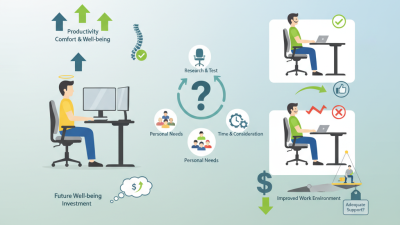
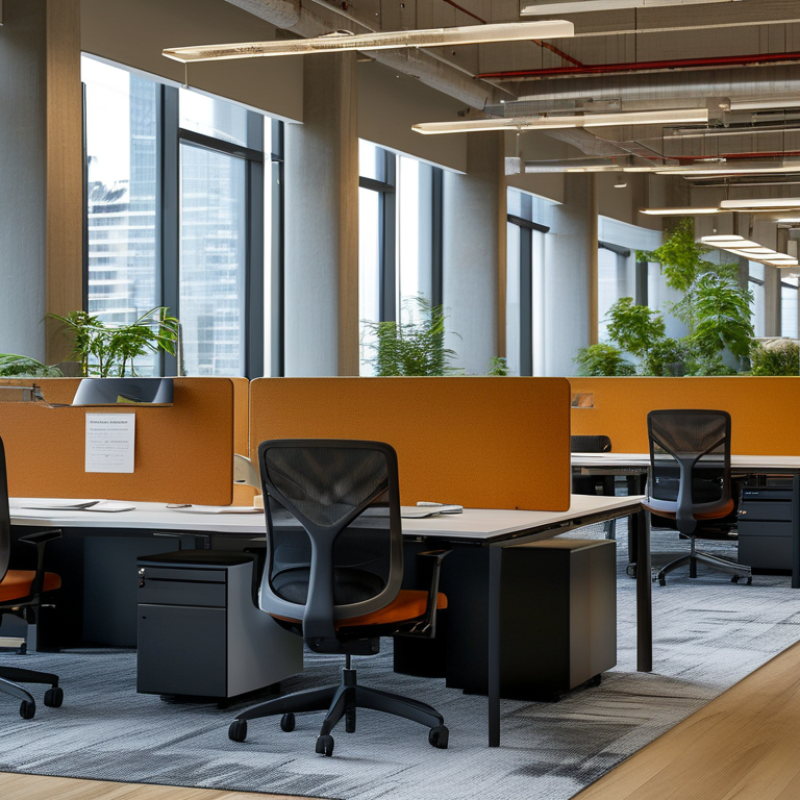
Emerging ergonomic designs are transforming workspaces today. These designs focus on promoting comfort and enhancing productivity. Adjustable desks allow employees to switch between sitting and standing. This simple change can reduce back pain and fatigue. Incorporating such furniture can lead to happier and healthier workers.
Innovative chair designs are also important. Chairs with lumbar support actively promote good posture. This is crucial for those who spend long hours at a desk. Some chairs even offer features like temperature control and massage options. These enhancements not only improve comfort but can also boost overall productivity.
While these trends are beneficial, they may not suit every workplace. Organizations should assess their specific needs. Ergonomic solutions can be an investment, both financially and in space. It’s vital to find the right balance to ensure that the workspace remains functional and efficient. Investing in ergonomic designs is a step toward a more dynamic workplace. Ultimately, comfort leads to greater focus and performance.
Sustainable Materials: The Shift Towards Eco-Friendly Office Furniture
The office furniture industry is increasingly leaning towards sustainable materials. Growing concerns about climate change and environmental degradation are driving this shift. Research from the Business and Sustainable Development Commission indicates that eco-friendly office furniture could represent a market valued at $90 billion by 2025. This shift not only helps the environment but also aligns with consumer preferences.
Sustainable materials often include responsibly sourced wood, recycled metals, and biodegradable fabrics. These materials reduce carbon footprints and diminish waste. A survey showed that 72% of employees value eco-friendly workplace products. However, not every company has adopted these practices fully. Some organizations face challenges in balancing cost and sustainability.
Transparency in sourcing is another critical factor. Companies must ensure their materials are not only sustainable but also ethically sourced. This is a complex issue, requiring collaboration across multiple sectors. The current state of eco-friendly office furniture reflects both progress and areas needing improvement. Designers and manufacturers must work together to enhance accessibility to sustainable options without compromising quality.
Innovative Modular Furniture Solutions for Dynamic Work Environments
Innovative modular furniture solutions are reshaping dynamic work environments. These designs allow for flexibility and adaptability, addressing the diverse needs of modern workplaces. With remote work becoming normal, businesses prioritize creating multifunctional spaces. Modular furniture enables quick reconfiguration to support collaboration or individual work.
Consider workstations that can be effortlessly adjusted. Some can transform from desks to communal tables, accommodating different tasks. This type of furniture often features lightweight materials, allowing easy movement and reorganization. These changes could enhance productivity by reducing the monotony of static spaces. The drawback? Misalignment in aesthetics might occur if elements aren’t well-coordinated.
Using modular furniture requires thoughtful planning. Designers might face challenges integrating technology seamlessly into setups. While many modular solutions include built-in cable management, gaps can disrupt workflow. Experimenting with combinations of colors and finishes can lead to surprising aesthetics but might overwhelm some users. Ultimately, finding the right balance is crucial to maximize effectiveness in vibrant workspaces.
Smart Technology Integration in Modern Office Furniture
Smart technology integration is transforming modern office furniture. This trend is driven by the need for efficiency and flexibility in workspaces. Imagine desks with built-in power outlets and USB ports for charging devices. These features enhance convenience and support the connectivity demands of today's workforce.
Another exciting innovation is the rise of smart seating solutions. Ergonomic chairs that monitor posture can help prevent discomfort during long work hours. Some models even feature adjustable settings based on user preferences. However, these advancements can also lead to overreliance on technology. Are employees losing touch with basic ergonomic principles?
Furthermore, interactive tables equipped with touchscreens are gaining traction. They foster collaboration by allowing teams to brainstorm and share ideas in real-time. Yet, reliance on such high-tech furniture can sometimes stifle creativity. It’s essential to balance technology use with traditional methods to inspire original thought. The integration of smart technology in office furniture indeed offers numerous benefits, but a critical approach is necessary to ensure that it enhances rather than hinders workplace dynamics.
Top Office Furniture Trends for Global Buyers to Consider
Aesthetic Trends: Balancing Functionality with Visual Appeal in Offices
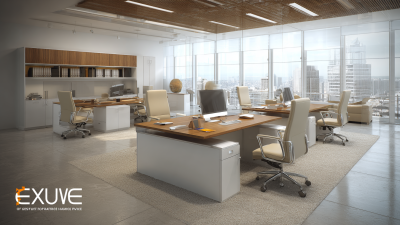
In today’s office environments, aesthetics and functionality are key to employee satisfaction and productivity. A stylish workspace can enhance mood. According to a study by the International Association of Real Estate, visually appealing offices can increase employee productivity by up to 20%. Natural light, plants, and ergonomic furniture play significant roles in creating a positive atmosphere.
However, balancing beauty with usability presents challenges. Some designs may look great but fail in comfort or practicality. A report from Global Workplace Analytics shows that 70% of employees would prefer a functional design over purely aesthetic elements. Moreover, the wrong color schemes can negatively impact focus. Designers need to consider how colors and layouts affect workplace dynamics.
While the push for modern aesthetics is undeniable, businesses must reflect on their specific needs. Are trendy designs actually enhancing worker wellbeing? Prioritizing real functionality might avoid the pitfalls of fleeting trends. A thoughtful approach ensures that workspaces not only attract but also retain talent, creating a lasting impact on organizational success.