Is Ergonomic Furniture Worth the Investment for Your Home Office?
As remote work becomes more common, many are considering ergonomic furniture for their home offices. Ergonomic Furniture aims to improve comfort and productivity. Sitting for long hours can lead to discomfort or injuries. Proper support is crucial for maintaining health over time.
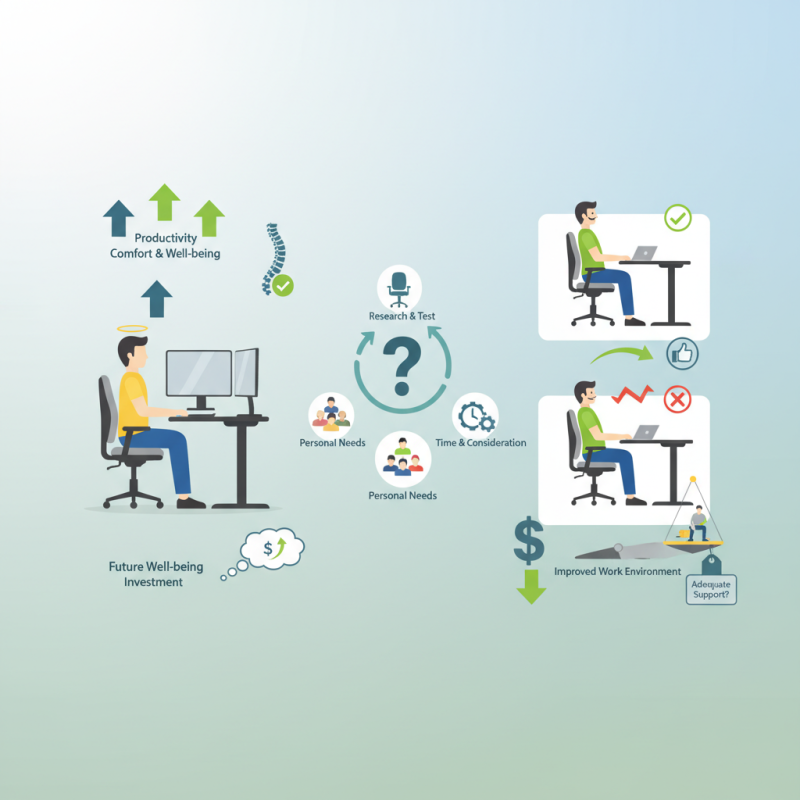
Investing in ergonomic solutions means thinking about future well-being. Devices like adjustable chairs and desks promote better posture. They help reduce back pain and neck strain. However, not all ergonomic furniture offers the same benefits. Some products may be expensive without providing adequate support.
It's essential to research and test options before committing. Not every piece will suit your specific needs. Finding the right fit takes time and consideration. A wise investment in ergonomic furniture can enhance your work environment significantly. Yet, it’s vital to reflect on personal preferences and workplace habits. Ultimately, the right choice will improve both comfort and productivity.
Understanding Ergonomic Furniture and Its Benefits
Ergonomic furniture is key to creating a comfortable home office. Studies show that about 80% of office workers experience back pain. Investing in ergonomic solutions can dramatically alleviate this issue. Research from the Occupational Safety and Health Administration indicates that proper ergonomic setups reduce musculoskeletal disorders by up to 60%. This is significant for those who spend hours working at desks.
Incorporating features like adjustable chairs and desks encourages better posture. A report by the Institute for Ergonomics highlights that people who use ergonomic furniture report a 25% increase in productivity. This improvement often leads to fewer breaks and a greater focus on tasks. On the downside, the initial costs can be daunting for some.
Yet, the long-term health benefits often outweigh this upfront investment. Many users face challenges adjusting to new furniture. It takes time to find what truly works best for individual needs. Regular assessments of comfort and function are key in this journey. Investing in ergonomics is not just about comfort; it’s about nurturing a sustainable work environment.
Benefits of Ergonomic Furniture vs Traditional Furniture in Home Offices
Key Features of Ergonomic Furniture in Home Offices
When investing in ergonomic furniture for your home office, consider essential features that provide both comfort and support. A reliable desk chair should have adjustable lumbar support to maintain proper spinal alignment. Research shows that 80% of workers report less back pain when using an ergonomic chair. Moreover, seat height adjustments are crucial. This allows users to keep their feet flat on the ground, promoting better posture.
Desks also play a significant role. Height-adjustable desks, which allow for both sitting and standing positions, are particularly beneficial. A study published in the Journal of Occupational Health found that 65% of participants felt more energized with the option to stand while working. Importantly, using proper desk surfaces can reduce strain on wrists and forearms. Integrated cable management systems can further minimize clutter, promoting a more organized working environment.
Investing in ergonomic furniture is not just about comfort; it’s about enhancing productivity. Poor setups can lead to fatigue and distraction. While ergonomic products can seem costly, the long-term health benefits and improved work efficiency often justify the price. According to a report from the American Journal of Preventive Medicine, an investment in ergonomic solutions can yield a return of up to 3:1 in productivity gains. Each feature serves a purpose and contributes to overall workplace well-being.
Is Ergonomic Furniture Worth the Investment for Your Home Office? - Key Features of Ergonomic Furniture in Home Offices
| Feature |
Description |
Typical Cost Range |
| Adjustable Chair |
Allows user to adjust height, lumbar support, and armrests for comfort. |
$150 - $500 |
| Sit-Stand Desk |
Enables users to switch between sitting and standing positions for health benefits. |
$300 - $1,000 |
| Monitor Arm |
Holds monitor at eye level and can be adjusted for optimal posture. |
$50 - $200 |
| Keyboard Tray |
Positions keyboard at a comfortable height to reduce strain. |
$30 - $100 |
| Footrest |
Supports feet to promote better posture and circulation. |
$20 - $80 |
Potential Health Impacts of Non-Ergonomic Workspaces
Creating a workspace that prioritizes ergonomics is more than just a trend. Non-ergonomic furniture can lead to serious health issues. Back pain, neck strain, and repetitive stress injuries are common consequences.
Over time, these problems can severely affect productivity and overall well-being. A poor setup may seem innocuous at first, but the gradual toll it takes can be profound.
When investing in ergonomic furniture, think about your daily habits.
A supportive chair and desk can promote better posture and reduce strain.
Keep your computer screen at eye level. This simple adjustment can prevent neck issues.
Take regular breaks to stretch. Even a minute or two can alleviate tension.
Mind the little details. Your feet should rest flat on the floor. If they dangle, consider a footrest.
Armrests should support your elbows comfortably. Attention to these factors can make a significant difference. Reflect on how you feel throughout the day.
Small adjustments can have a lasting impact on your health and workspace comfort.
Cost Analysis: Ergonomic Furniture vs. Standard Options
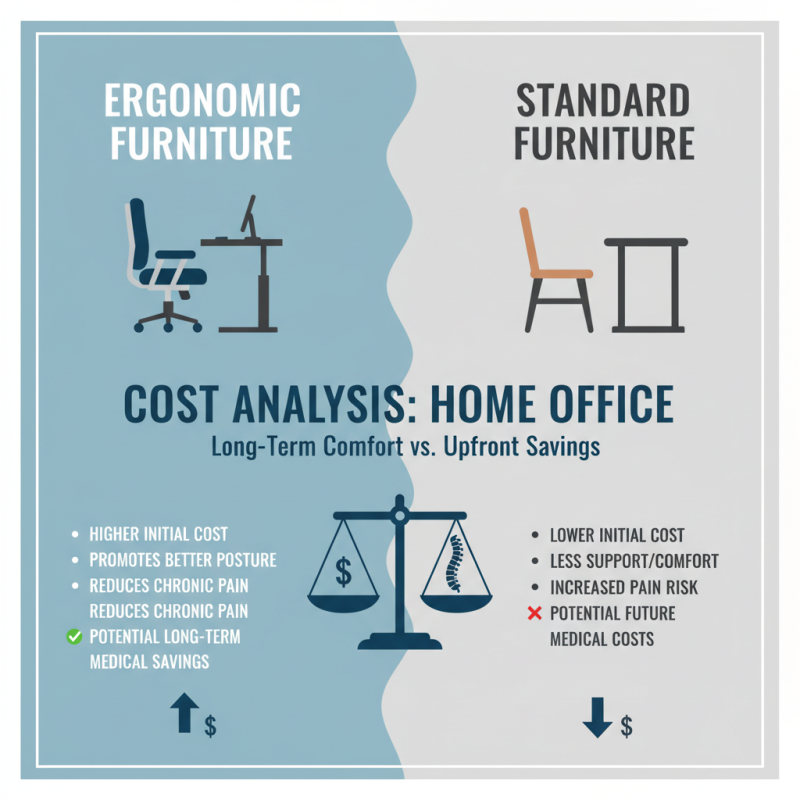
Investing in ergonomic furniture for your home office can be a significant financial commitment. However, understanding the long-term benefits may offer clarity on whether it's worth it. Traditional furniture options are often cheaper but do not provide the same level of comfort or support. Ergonomic chairs and desks are designed to promote better posture, reducing the risk of chronic pain and potential health issues. The initial cost may be higher, but the potential savings on medical expenses could surpass the upfront investment.
Consider this: a good ergonomic chair might range from $300 to $1,000. While more expensive, it supports your body in ways standard chairs cannot. Additionally, adjustable desks often come at a premium. Yet, they can enhance productivity, making the investment worthwhile. Look for pieces that facilitate movement and adaptability. Pay attention to material quality and warranty duration. These factors will often reflect the durability of your investment.
Tips: Always test furniture before you buy. Sitting for a few minutes can reveal comfort levels. Measure your space and ensure that ergonomic options fit. Keep in mind that personal comfort varies. An ergonomic solution for one may not be ideal for another. Prioritize your unique needs to find the right balance between cost and comfort.
Long-term Value: Investing in Comfort and Productivity
Ergonomic furniture offers long-term value by enhancing comfort and productivity in your home office. It is essential for maintaining health during extended work hours. Poor seating and desk height can lead to discomfort and distractions. Investing in ergonomic chairs and adjustable desks can alleviate strain. This helps you work better and longer without physical drawbacks.
When choosing ergonomic furniture, consider your unique needs. Everyone's body is different. A chair that fits one person may not suit another. Test various options, and adjust them to your body type. A proper fit can result in a significant improvement in your daily comfort.
Tips for choosing ergonomic furniture:
- Look for chairs with lumbar support. This feature helps maintain a healthy spine.
- Adjust the height of your desk to ensure your arms are parallel to the ground. It keeps your wrists in a neutral position.
- Also, remember to take breaks and change your position. It can help refresh your mind and prevent fatigue.