
One Stop Solution for Office Furniture Supply
Why Choose a Double Glass Door for Your Business?
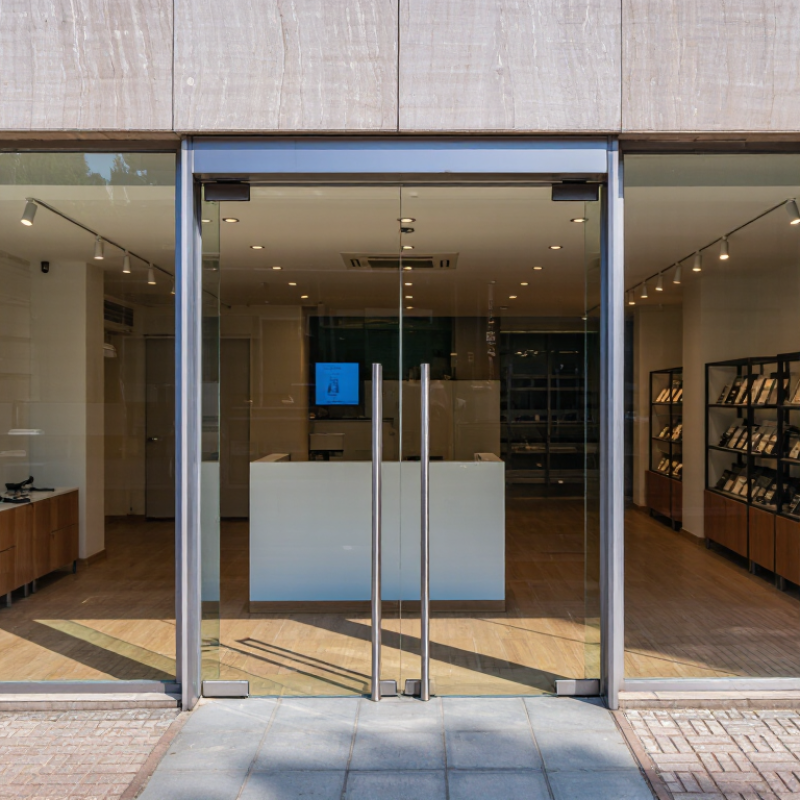
A Double Glass Door can change how a business feels before a customer speaks to anyone. It lets daylight reach a reception area, displays products from the sidewalk, and gives a compact storefront a more open appearance. For a café, clinic, or showroom, that visual connection may make entry feel easier. Small details matter. Clear sightlines help staff notice arriving visitors, while well-positioned handles and closers make daily use smoother.
The choice still deserves careful thought. Glass shows fingerprints, and a door exposed to busy foot traffic may need frequent cleaning. Privacy can also matter in offices or treatment rooms; frosted panels or interior blinds may be more suitable than fully clear glass. The frame, hardware, glazing specification, and opening width should match the building and the way people use it. Ask a qualified door professional to assess traffic, accessibility, weather exposure, and applicable local requirements before ordering. This is not a detail to guess at.
A Double Glass Door can support a bright, welcoming entrance, but it is not automatically the best solution for every business. Compare cleaning needs, security expectations, energy performance, and maintenance access with the design benefit. Even attractive glass can feel wrong if glare lands on a reception desk all afternoon. That trade-off is easy to overlook. A thoughtful specification—and a realistic maintenance plan—usually matters more than appearance alone.
What Defines a Double Glass Door in a Commercial Setting?
In commercial use, “double glass door” can describe two different things. It may mean a pair of glazed door leaves that meet at the center, or a door with two panes of glass separated by a sealed gap. The distinction matters: one describes the opening’s layout; the other describes the glazing construction. A paired entrance typically includes glass panels, supporting stiles and rails, hinges or pivots, a meeting stile, and coordinated locking hardware. Details vary with traffic, accessibility needs, and the building’s design.
The U.S. Energy Information Administration’s 2018 Commercial Buildings Energy Consumption Survey counted about 5.9 million commercial buildings, covering roughly 97 billion square feet. That scale makes small envelope choices worth checking, though the survey does not measure door performance. For insulated glazing, look for documented U-factor and solar heat gain coefficient values; the National Fenestration Rating Council provides standardized ratings for these properties. Also confirm the specified glass type and safety markings with the project team. A clear panel may look simple, but its weight, edge protection, and hardware compatibility are not. And “double glass” alone tells you little about energy performance. I’ve seen that wording cause avoidable confusion in specifications.
Why Choose a Double Glass Door for Your Business? — What Defines a Double Glass Door in a Commercial Setting?
| Dimension | What It Means | Commercial Relevance | What to Check Before Choosing |
|---|---|---|---|
| Basic definition | A commercial double glass door typically has two door leaves within one opening, with glazed panels in some or all of each leaf. It is different from a single door made with double-pane insulated glass. | The paired leaves can provide a wider passage for customers, deliveries, or equipment, while glazing allows visibility through the entrance. | Confirm whether the specification means two door leaves, insulated glass units, or both. |
| Door configuration | Common arrangements include two hinged leaves, a pair of sliding panels, or a pair of framed storefront doors. The operating style depends on the building and entrance design. | Hinged doors need swing clearance. Sliding doors avoid a swing arc but require track space and suitable hardware. | Review available floor space, traffic direction, access needs, and the intended door operation. |
| Glazing and frame | Glass may be installed in framed leaves or used as part of a more extensive glazed entrance system. The frame and hardware support the glass and transfer operating loads. | Glazed areas can make an entrance brighter and more visually open. Frame material and detailing affect durability and maintenance. | Specify glass type, thickness, safety glazing where required, frame material, and compatible hardware. |
| Width and accessibility | The clear passage depends on the opening, leaf widths, hardware, and how many leaves are open. Nominal door size is not the same as clear opening width. | A wider opening can help with busy foot traffic and moving goods, but accessibility requirements apply to the usable passage and door operation. | Measure the clear opening and check applicable local accessibility and building regulations. |
| Energy performance | Insulated glazing can reduce heat transfer compared with many single-pane options. Actual performance depends on the glass assembly, frame, seals, and installation. | Performance may matter for conditioned spaces and entrances exposed to outdoor temperatures. Frequent opening can also affect indoor comfort. | Compare documented thermal-performance ratings for the complete door assembly, not glass alone. |
| Safety and security | Commercial doors can be specified with safety glazing and locking hardware suited to their location and use. Requirements vary by jurisdiction and application. | Entrance doors may need to balance visibility and access with resistance to impact, unauthorized entry, and everyday wear. | Check applicable safety-glazing rules, security needs, locking arrangements, and any required impact ratings. |
| Traffic and operation | Door closers, hinges, pivots, operators, and latches must be matched to the door’s size, weight, and expected use. | Busy retail, hospitality, and office entrances can experience frequent cycles; poorly matched hardware may require more maintenance. | Estimate traffic, confirm hardware suitability, and plan routine inspection and adjustment. |
| Emergency egress | Exit-door requirements depend on occupancy, location, and local codes. A double-leaf design does not automatically meet egress requirements. | Correct operation and hardware can be critical for safe, unobstructed escape during an emergency. | Have the layout and hardware reviewed against the applicable fire, life-safety, and building codes. |
| Best-fit applications | Paired glazed doors are often considered for storefronts, office lobbies, restaurants, and other commercial entrances where visibility and a wider opening are useful. | The design can support a welcoming entrance, but its suitability depends on traffic, climate, space, security, and maintenance requirements. | Compare the expected benefits with installation constraints, operating costs, and ongoing service needs. |