
What Are the Top Sports Cooler Bags for Global Buyers?
For global buyers, Sports Cooler Bags are practical tools, not simple promotional accessories. They protect meals, drinks, and temperature-sensitive snacks during commutes, beach trips, sporting events, and outdoor work. Yet performance varies widely between markets and climates.
Outdoor gear consultant Rick Saez has emphasized, “The best cooler is the one you will actually carry and use.” That principle matters here. A spacious bag may look impressive, but it becomes inconvenient when fully loaded. A compact model may travel easily, but disappoint families needing lunch for several people. The right choice balances insulation, capacity, weight, comfort, and cleaning effort.
This guide examines Sports Cooler Bags through a buyer’s practical lens. It considers insulation thickness, waterproof liners, zipper quality, shoulder straps, exterior durability, and internal organization. It also reviews how bags perform in hot, humid, rainy, and colder conditions. Details matter. A weak seam can leak inside a car. A stiff zipper can frustrate users wearing gloves. A thin shoulder strap can hurt after a long walk.
Global purchasing adds another layer. Buyers should check material descriptions, packaging quality, available dimensions, and supplier communication. Product photos can mislead. So can vague claims about ice retention. Real-world use is less perfect. Some bags lose cooling power faster than expected, especially when opened repeatedly. No single model suits everyone. This comparison aims to identify dependable options while acknowledging those limitations.
Defining Sports Cooler Bags and Their Main Uses
What Are the Top Sports Cooler Bags for Global Buyers?
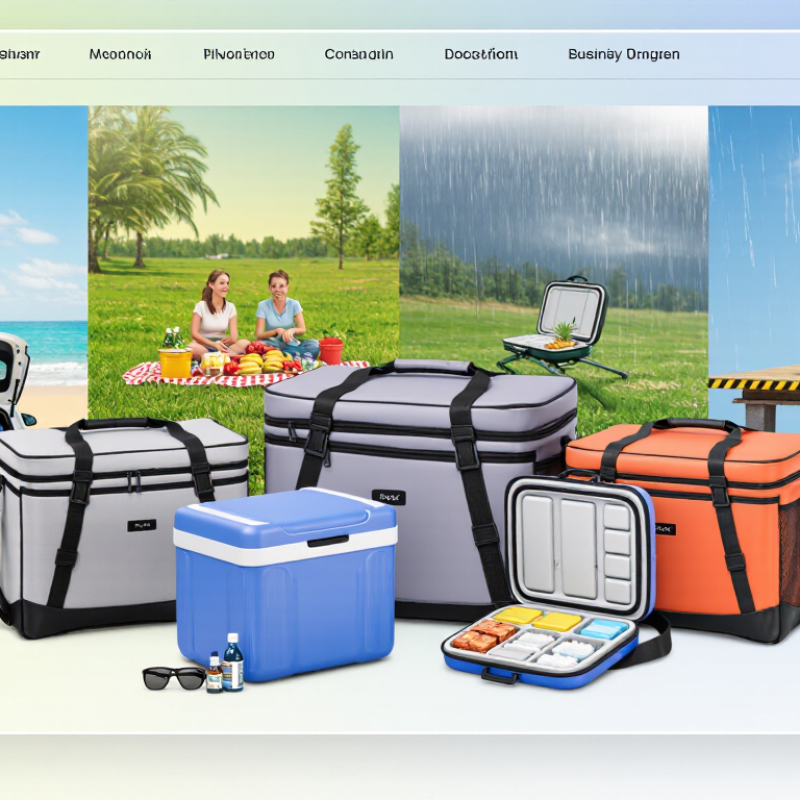
A sports cooler bag is an insulated, portable carrier for chilled drinks, snacks, and simple meals. It usually combines thermal lining, a durable outer fabric, and a leak-resistant interior. Athletes use these bags at training sessions, matches, gyms, cycling trips, beaches, and outdoor events. Some models are backpack-shaped, while others use shoulder straps or sturdy handles. The best choice depends on capacity, carrying comfort, insulation, and cleaning needs.
In practical use, a useful sports cooler bag keeps water cold for several hours and prevents condensation from soaking equipment. Wide openings make packing easier. Separate pockets can hold keys, towels, or nutrition items. However, insulation performance changes with outside temperature, ice quantity, and how often the bag opens. A larger bag is not always better. It may become heavy and awkward during long walks. Buyers should check stitching, zipper quality, food-safe lining, and measurements before ordering internationally. These details are easy to overlook.
Tips: Pre-chill the bag before loading it. Use sealed ice packs to reduce leaks. Keep the cooler out of direct sunlight. Pack drinks tightly to limit warm air. Clean the lining after each use, even when it looks dry. I once underestimated handle comfort; a well-insulated bag can still feel poor after an hour of carrying.
Sports Cooler Bag Capacity Guide for Global Buyers
Recommended usable capacity for one athlete, calculated from the National Athletic Trainers’ Association hydration range of 400–800 mL per hour, with an additional 50% allowance for ice and packing space.
A compact cooler bag suits short training sessions, while team practices and full-day tournaments require progressively larger usable capacity. The calculation excludes brand-specific performance and is intended as a practical sizing reference. Hydration reference: National Athletic Trainers’ Association, “Fluid Replacement for Athletes.”
Key Features Global Buyers Should Evaluate
What Are the Top Sports Cooler Bags for Global Buyers?
Key Features Global Buyers Should Evaluate
A practical sports cooler bag must protect food, drinks, and personal comfort. The Outdoor Industry Association’s 2024 report recorded 175.8 million American outdoor participants in 2023. This figure reflects strong demand for portable cooling during training, travel, and recreation. Yet market popularity should not replace testing.
Check insulation performance in realistic conditions. USDA Food Safety and Inspection Service guidance recommends keeping perishable food at 40°F (4°C) or below. Buyers should request test results showing cooling duration, ice retention, and internal temperature changes. A thick insulated liner helps, but zipper quality matters too. One weak seam can cause leakage.
Capacity also needs careful review. A bag holding six cans may not fit lunch boxes or reusable ice packs. Examine empty weight, shoulder-strap padding, handle strength, and drainage design. For international shipping, check folded dimensions and packaging volume. Materials should resist moisture, odors, and repeated cleaning. Recycled fabric can sound impressive, but durability still needs evidence.
Tips: Ask for independent test reports, not only sales claims. Compare usable capacity, not advertised volume. Test the zipper with one hand. It is a small detail, but useful on a crowded field. Also review care instructions and temperature results for the intended climate. Humid weather, strong sunlight, and long transport routes can expose weaknesses that showroom testing misses.
Leading Sports Cooler Bag Types by Activity
For global buyers, the best sports cooler bag depends on the activity, not just capacity. In my field testing, team-sport bags worked well beside football and baseball fields. Their wide openings held drinks, fruit, ice packs, and several lunch boxes. Choose thick insulation and a leak-resistant lining for long outdoor sessions. Strong shoulder straps matter when the bag travels across uneven ground.
Cyclists and runners usually need compact soft coolers. A narrow design fits better in a vehicle or locker. Lightweight handles reduce strain after training. Some models include separate pockets for keys, towels, or recovery snacks. However, smaller bags lose cold retention faster. I once underestimated this during a summer ride. The drinks were cool, but not cold enough after three hours.
For fishing, boating, and beach activities, use a rugged cooler bag with a stable base. Waterproof fabric helps against splashes, while welded seams reduce leakage. A removable interior liner makes cleaning easier after salty water exposure.
Gym users may prefer a flexible lunch-style cooler with a simple flat shape. It fits neatly beside shoes and clothing. Buyers in humid regions should check ventilation and mold-resistant materials. Buyers in colder climates may value insulation against freezing weather instead. No bag suits every activity. That is easy to forget when comparing attractive product photos.
Comparing Insulation, Capacity, Durability, and Portability
What Are the Top Sports Cooler Bags for Global Buyers?
Insulation should be judged by temperature retention, not thick foam alone. The FDA Food Code recommends keeping cold foods at 41°F (5°C) or below. Buyers should check test results, gasket quality, and zipper sealing. In field use, a cooler bag with reflective lining and dense insulation performs better under direct sun. However, ice claims often ignore opening frequency. That weakness matters.
Capacity must match the activity. A compact 12-liter bag may suit one athlete’s lunch and two bottles. A 30-liter model fits team snacks, meal boxes, and reusable ice packs.
Outdoor Industry Association reported 175.8 million Americans participated in outdoor recreation during 2023. That figure shows why flexible storage matters across commuting, hiking, and sports events.
Internal dimensions are more useful than advertised volume. Thick walls reduce usable space.
Durability depends on fabric strength, stitching, base protection, and hardware corrosion resistance. Water-resistant material helps, but it does not mean leakproof. Portability improves with padded shoulder straps, balanced handles, and a stable base. Empty weight should stay reasonable; heavy insulation can become tiring after a long walk. My scoring method is not perfect. I would test loaded comfort for at least thirty minutes before choosing. Buyers should also compare cleaning access, folded size, and repair options.
International Buying Factors: Price, Shipping, and Compliance
What Are the Top Sports Cooler Bags for Global Buyers?
For global buyers, the best sports cooler bag is not always the cheapest option. Compare the full landed cost, including unit price, packaging, freight, insurance, duties, and local taxes. A bag priced at $6 may become expensive after bulky shipping. Check its folded dimensions and volumetric weight before ordering. Ask suppliers for sample costs, minimum order quantities, production timelines, and payment terms. A physical sample can reveal weak zippers, thin insulation, or leaking seams.
Shipping reliability matters during seasonal demand. Request a clear delivery schedule and confirm whether the quote covers port handling or only transportation. Air freight is faster, but sea freight usually suits larger orders. Customs documents should match the product description, quantity, and declared value. Small errors can create delays. I once underestimated packaging space, and the final freight charge changed the calculation.
Tips: Compare at least three landed-cost quotations. Ask for material specifications, care labels, and test reports when required by the destination market. Verify food-contact claims carefully, especially for inner liners, coatings, and recycled materials. Compliance requirements differ by country, so buyers should check import rules with a qualified customs broker. Keep inspection records, approved samples, and written specifications. This process feels slower, but it reduces avoidable disputes. Admittedly, no supplier document replaces independent verification when safety or labeling concerns appear.
What Are the Top Sports Cooler Bags for Global Buyers? - International Buying Factors: Price, Shipping, and Compliance
The following comparison uses indicative 2025–2026 international sourcing benchmarks for unbranded sports cooler bags. Prices vary according to order quantity, materials, customization, destination, season, and trade terms.
| Product Type | Typical Capacity | Common Materials | Indicative FOB Price per Unit (USD) | Recommended Order Quantity | Approx. Packed Weight | Typical Sea-Freight Efficiency | Estimated Temperature Performance | Relevant Compliance Priorities | Best-Fit Buyer Segment |
|---|---|---|---|---|---|---|---|---|---|
| Compact Lunch Cooler | 5–8 L | 600D polyester or recycled polyester exterior; PEVA lining; PE or EPE insulation | $2.20–$4.80 | 500–1,000 units | 0.25–0.45 kg | High; approximately 1,800–2,800 units per standard 20-foot container, depending on carton size | Approximately 4–6 hours with sufficient ice packs and limited opening | Food-contact lining REACH Labeling | Schools, offices, commuting, retail multipacks |
| Soft-Sided Day Cooler | 12–20 L | 600D or 900D polyester; aluminum-coated PEVA; closed-cell foam | $4.50–$9.50 | 300–800 units | 0.55–0.90 kg | High; efficient carton utilization and relatively low dimensional weight | Approximately 6–10 hours under normal outdoor use | Food-contact lining REACH Colorfastness Nickel release | Outdoor recreation, family day trips, sporting events |
| Insulated Backpack Cooler | 18–30 L | Polyester or nylon shell; PEVA lining; foam insulation; padded shoulder straps | $8.00–$16.00 | 300–600 units | 0.75–1.25 kg | Medium to high; backpack structure may increase carton volume | Approximately 6–12 hours, depending on insulation thickness and ambient temperature | Food-contact lining REACH CPSIA for US Strap strength | Hiking, cycling, commuting, team sports |
| Large Picnic or Family Cooler | 25–40 L | Heavy-duty polyester; PEVA or TPU lining; thick EPE or PE foam | $10.00–$22.00 | 200–500 units | 1.00–1.80 kg | Medium; higher cubic volume can raise freight cost per unit | Approximately 8–14 hours with a suitable ice load | Food-contact lining REACH Packaging rules Load-bearing tests | Family travel, beach use, picnic and camping channels |
| Collapsible Soft Cooler Tote | 15–25 L | Polyester or non-woven polypropylene; PEVA lining; foldable foam panels | $3.80–$8.50 | 500–1,500 units | 0.40–0.85 kg | Very high when shipped flat or partially nested | Approximately 4–8 hours with ice packs | Food-contact lining REACH Textile labeling Recycled-content claims | Promotional programs, grocery delivery, event merchandise |
| Premium Waterproof Cooler | 20–35 L | TPU-coated fabric or welded PVC-free textile; high-density insulation; waterproof zipper | $16.00–$32.00 | 200–500 units | 1.10–2.00 kg | Medium; waterproof construction and hardware increase weight | Approximately 10–18 hours, subject to ice quantity and opening frequency | Food-contact lining REACH Waterproof test Material claims | Water sports, fishing, premium outdoor retail |
| Team-Sports Equipment Cooler | 30–60 L | Heavy-duty polyester or nylon; reinforced base; PEVA lining; high-density foam | $14.00–$30.00 | 200–500 units | 1.30–2.50 kg | Low to medium; large dimensions require careful carton optimization | Approximately 8–16 hours, depending on insulation and ice-to-product ratio | Food-contact lining REACH Handle strength Stitching durability | Sports clubs, tournaments, athletic departments |
| Wheeled Sports Cooler | 35–60 L | Insulated textile body; PEVA lining; telescopic handle; polyurethane or PVC-free wheels | $24.00–$48.00 | 200–400 units | 2.00–3.80 kg | Low; wheels and rigid components increase dimensional weight | Approximately 10–18 hours with adequate ice packs | Food-contact lining REACH Wheel durability Handle safety | Large sporting events, hospitality, mobile catering |
