How to Choose the Best Chair Furniture for Your Home?
When it comes to selecting the best chair furniture for your home, the choices can be overwhelming. Expert interior designer Sarah Mitchell emphasizes, "The right chair can transform a space." She believes that every chair should reflect personal style while ensuring comfort and functionality.
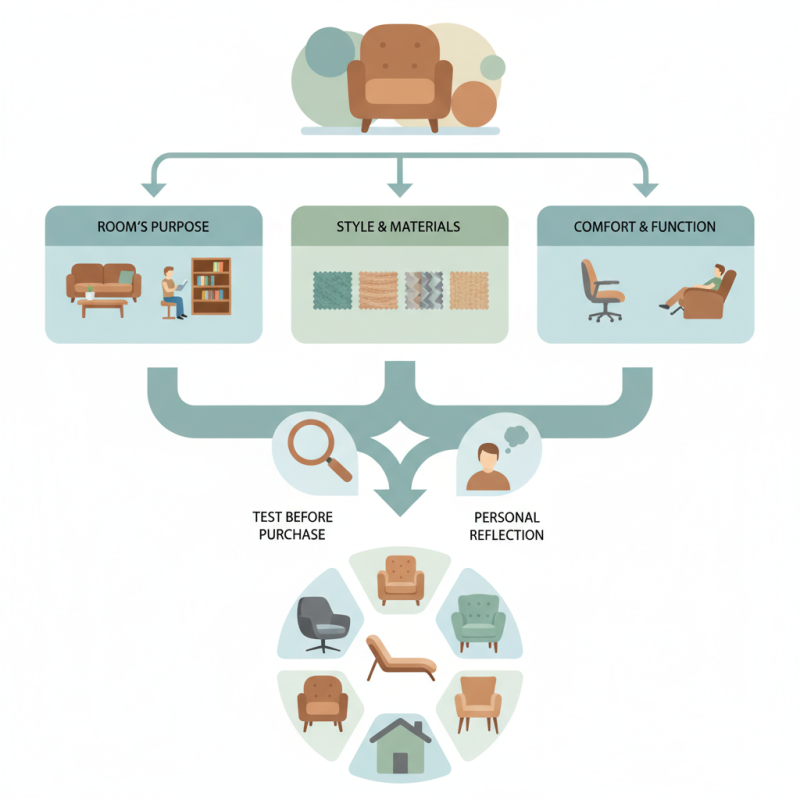
Choosing chair furniture involves various factors. Consider the room’s purpose and your own needs. Do you entertain often, or is it a cozy reading nook? Look for colors and materials that enhance your home’s decor. Comfort is vital, but beauty shouldn’t be sacrificed.
Mistakes are easy to make. A chair may look great online but feel different in person. It's essential to test before purchase. Reflect on what you truly need in your living space. Ultimately, the ideal chair furniture should resonate with your way of life.
Factors to Consider When Selecting Chair Furniture for Home Use
When selecting chair furniture for home use, several factors should come into play. Comfort is key. Sit on different chairs. Feel the support they provide. Look for cushioning that suits your preference. Think about the materials too. Natural fibers can be more breathable, while synthetic fabrics are often easier to clean. Consider your climate when making your choice.
Next, think about the style and size of the chair. A large chair can dominate a small room. Pay attention to the existing decor. Match colors and designs to create harmony. Don’t overlook functionality either. Some chairs come with storage options. Others can be folded or stacked. It’s all about maximizing your space.
Lastly, reflect on your own habits. If you tend to eat or drink while seated, choose materials that resist spills or stains. Remember that the perfect chair might have flaws. Maybe it’s not the most stylish choice. Or it lacks specific features. Keep an open mind, and prioritize what really matters for your lifestyle.
Factors to Consider When Selecting Chair Furniture for Home Use
Understanding Ergonomics: Importance of Comfort in Chair Design
When choosing a chair, comfort should be a priority. Ergonomics play an essential role in chair design. A well-designed chair supports the natural curves of your body. This can prevent long-term health issues. For example, poor posture often leads to back pain. A chair that promotes good posture can significantly reduce discomfort.
Consider the materials used in the chair. Soft cushions can feel great, but they may lack support. Harder surfaces might feel uncomfortable at first but offer better back support over time. Try different styles and see what feels best for you. Personal preference is important. You might find a chair that looks great but feels wrong.
Many people overlook the importance of height adjustments. A chair that is not adjustable can lead to strain. Your feet should rest flat on the ground. This simple adjustment could make a significant difference in daily comfort. It’s also important to think about long-term use. While some chairs are cheaper, they might not provide the comfort you need for all-day seating. Finding the perfect balance can be challenging, but it's worth the effort.
How to Choose the Best Chair Furniture for Your Home?
| Chair Type |
Ergonomic Features |
Recommended Use |
Comfort Level (1-5) |
| Office Chair |
Lumbar support, adjustable height, armrests |
Home office, long hours of work |
4 |
| Recliner |
Adjustable recline, leg support |
Living room, relaxation |
5 |
| Dining Chair |
Contoured seat, moderate height |
Dining room, casual meals |
3 |
| Gaming Chair |
Ergonomic design, lumbar pillow, high back |
Gaming, extended seating |
4 |
| Patio Chair |
Weather-resistant, low profile, lightweight |
Outdoor use, gatherings |
3 |
Materials Matter: Assessing Durability and Aesthetic Appeal
Selecting the right chair for your home goes beyond comfort. Materials play a critical role in both durability and aesthetic appeal. Many consumers overlook this aspect. A recent report indicated that 72% of furniture experts suggest choosing materials carefully. Wood, metal, and upholstery each have unique qualities that can greatly influence your chair's longevity.
Wooden chairs often signify tradition. They are sturdy and can last generations with proper care. However, not all woods are equal. For example, softwoods like pine can dent easily. On the other hand, hardwoods like oak offer better durability. Upholstered chairs provide softness and warmth. Yet, the fabric’s quality directly impacts lifespan. Synthetic fibers can wear out quickly, while natural fibers offer breathability but may stain easily.
Consider your lifestyle when choosing materials. A family with pets may find leather a better option. It's easier to clean and maintain than fabric. Conversely, a quieter, adult-only space might benefit from plush upholstery. A study from the American Home Furnishings Alliance revealed that visual appeal drives 68% of consumer choices. So, while durability is important, matching the chair style with your home's interior is essential too. Balancing both aspects can be challenging but rewarding.
Size and Space: Measuring Your Area for Optimal Chair Placement
Choosing the right chair for your home starts with understanding your space. Measuring your area accurately is crucial. Industry experts suggest ensuring at least 30 inches of space between chairs and walls for comfort and movement. This allows guests to sit and rise easily. Poor placement can lead to overcrowding, which makes the space feel cramped.
When planning your layout, consider the size of your chair. Standard dining chairs are about 18 inches wide. A basic guideline is to leave around 24 inches of space for each seat at a dining table. Overcrowded arrangements negate any elegance in design. If your room is small, opt for armless chairs. They take up less space and provide flexibility.
Tips: Try using painter’s tape on the floor to outline where a chair would sit. This visual tool can help you assess whether a chair truly fits. Consider the scale of your existing furniture. A large chair can dominate smaller spaces, making them feel even smaller.
Always reassess your choices. A chair may look good but feel uncomfortable in reality. Be open to adjusting your furniture plan until you find a balance that suits your style and comfort needs.
Style Versus Functionality: Balancing Design Trends with Practical Needs
When choosing the best chair for your home, balancing style with functionality is crucial. A recent report by the American Home Furnishings Alliance (AHFA) noted that over 70% of consumers consider comfort the most important factor when selecting furniture. Yet, designers are often drawn to aesthetics. The challenge lies in merging these two aspects effectively.
Tips: Prioritize ergonomic designs. Look for chairs that support your posture. A stylish chair can still be comfortable.
It's essential to reflect on your lifestyle. If you frequently host guests, consider durable fabrics. Trendy chairs may look gorgeous but might not withstand heavy use. Additionally, many chairs lack adequate lumbar support, which can lead to discomfort over time.
Tips: Test sit before buying. Ensure the chair fits your space and needs. Think about your daily activities. Select chairs that enhance both decor and functionality. Finding the right balance is an ongoing journey. Your choices should adapt to your evolving style and practical requirements.