How to Choose the Best Boardroom Furniture for Your Business Needs
Selecting the right boardroom furniture plays a crucial role in crafting a productive and inspiring meeting environment. As businesses navigate the complexities of modern collaboration, the need for a well-furnished boardroom becomes increasingly apparent. With the perfect blend of comfort and functionality, boardroom furniture not only expresses the company's brand identity but also fosters creativity and innovation among team members. According to David Chen, a leading expert in workplace design, “The right boardroom furniture can transform meetings from mundane to memorable, enhancing both communication and collaboration.”
Boardroom furniture includes key components such as conference tables, chairs, and display equipment that collectively influence the dynamics of discussion and decision-making. The design, layout, and quality of these furnishings can reflect a company's culture and values while accommodating diverse meeting styles. It is essential for businesses to carefully consider their unique needs, be it formal presentations, brainstorming sessions, or casual gatherings. By prioritizing functionality and aesthetics in their choices, organizations can create a space that not only serves practical purposes but also inspires engagement and productivity.
Identifying Your Business Requirements for Boardroom Furniture
When selecting boardroom furniture, it is essential to first identify your business needs. Consider the primary functions of the boardroom. Will it primarily serve for meetings, presentations, or collaborative brainstorming sessions? Understanding the intended use will guide the choices you make regarding the layout and type of furniture required. For instance, if frequent presentations are expected, a larger conference table with comfortable chairs may be beneficial, while a more casual setup with lounge seating might be suitable for creative discussions.
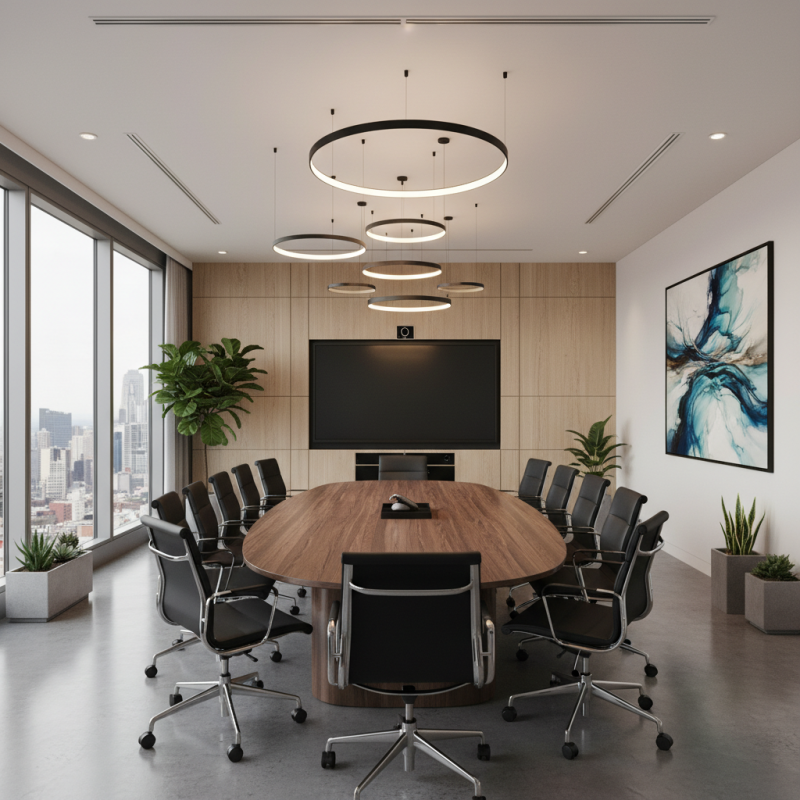
Next, evaluate the size and layout of the boardroom. The dimensions of the room will play a crucial role in determining the appropriate furniture size. Ensure there is enough space for movement and accessibility without crowding the area. Additionally, consider the aesthetic that aligns with your corporate culture. A formal environment may call for traditional wood furniture, whereas a modern startup might prefer sleek, minimalist designs. Finally, think about technological integration; furniture that accommodates multimedia equipment enhances functionality and creates an efficient working environment. By closely assessing these factors, businesses can tailor their boardroom furniture choices to meet specific needs effectively.
Boardroom Furniture Preference Survey Results
Understanding Different Types of Boardroom Furniture Available
When selecting boardroom furniture, it's essential to understand the various types available to meet your business needs. A well-furnished boardroom enhances productivity and reflects your company’s professionalism. Common types include conference tables, ergonomic chairs, storage cabinets, and multimedia equipment. Conference tables come in various shapes and sizes, serving different purposes from collaborative meetings to formal presentations. Consider a design that allows flexibility, enabling you to rearrange seating as needed.
Ergonomic chairs are vital for ensuring comfort during long meetings, promoting better posture and reducing fatigue. Look for adjustable features such as seat height, back support, and armrests. This investment in employee comfort can lead to more productive discussions. Additionally, innovative storage solutions like cabinetry or sideboards will help keep your boardroom organized and clutter-free, fostering a more focused environment.
**Tips:** When selecting furniture, consider the size of your boardroom and the number of participants. Ensure that there is enough space for movement and that the layout promotes interaction. Additionally, think about the style and finish of the furniture to ensure it aligns with your brand identity, as this will influence first impressions in important meetings. Always prioritize quality and durability, as these pieces will be used frequently and need to withstand wear over time.
Evaluating the Space and Layout for Optimal Furniture Arrangement
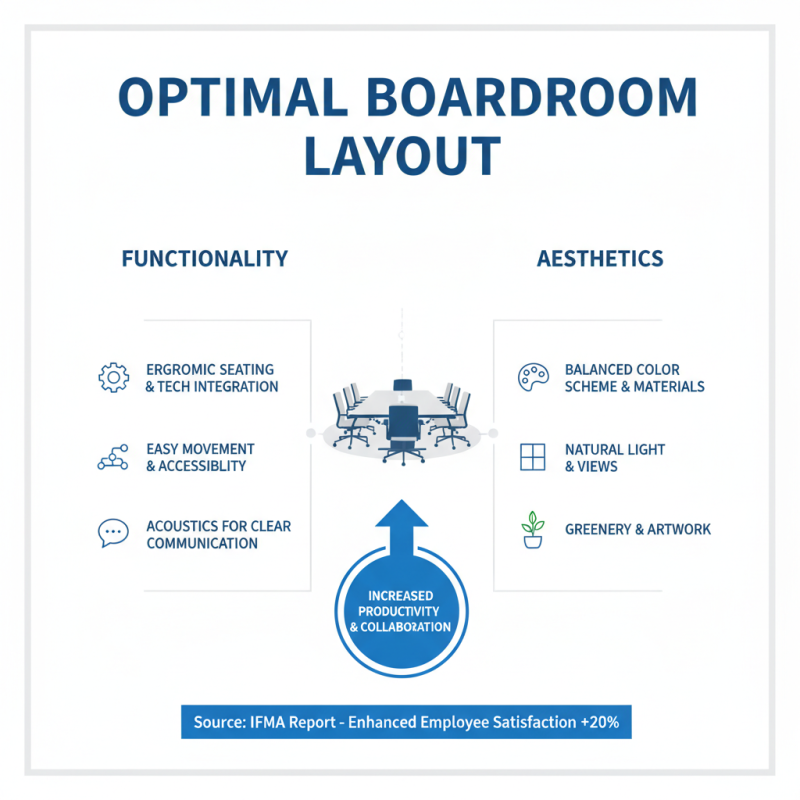
When evaluating the space and layout of your boardroom, it’s crucial to consider both functionality and aesthetics to create an environment that fosters productivity and collaboration. According to a report by the International Facilities Management Association (IFMA), an optimal workspace can enhance employee satisfaction by up to 20%, thereby impacting overall business performance positively. In this context, careful planning of your boardroom layout plays a pivotal role in achieving these benefits.
To effectively evaluate the dimensions and flow of your boardroom, start by measuring the space to ensure that chosen furniture does not crowd the area. Aim for at least 3-4 feet of clearance around tables and chairs to facilitate easy movement. Additionally, consider the arrangement style that best suits your meetings—whether it’s a U-shape, classroom, or boardroom setup—each has its own impact on communication and engagement among participants.
**Tip**: Flexible furniture solutions, such as modular tables and stackable chairs, can adapt to various meeting types and group sizes, ensuring maximum utility.
Furthermore, lighting plays an important role in establishing a conducive atmosphere. Research shows that natural light can significantly improve mood and productivity. When planning your boardroom layout, position furniture to take advantage of windows and consider the installation of adjustable artificial lighting to accommodate different meeting needs.
**Tip**: Incorporating plants or greenery can also enhance air quality and create a more inviting space, leading to higher productivity levels.
Choosing Materials and Finishes for Aesthetic and Durability
When selecting boardroom furniture, the choice of materials and finishes plays a crucial role in balancing aesthetics and durability. High-quality materials such as hardwoods, metal, and glass not only enhance the visual appeal of the space but also ensure longevity. For instance, a solid wood table can create a sense of elegance and professionalism, making a strong impression on clients and stakeholders. Additionally, finishes like veneers can offer the look of luxury while being more cost-effective and sustainable, providing the desired aesthetic without breaking the budget.
Durability is equally important in a boardroom setting, where furniture often faces heavy use. Choosing materials that resist scratches, stains, and wear is essential. High-pressure laminates and treated fabrics can withstand the rigors of daily activities while keeping maintenance low. Furthermore, selecting finishes that are easy to clean and maintain can help keep the boardroom looking fresh and professional over time. Ultimately, a thoughtful combination of materials and finishes will not only elevate the design of your boardroom but also support its functionality, reflecting the values and vision of your business.
Budget Considerations: Balancing Quality with Affordability
When selecting boardroom furniture,
budget considerations play a crucial role in achieving a balance between quality and affordability.
It's essential to recognize that investing in high-quality furniture can lead to long-term benefits,
such as durability and enhanced aesthetics. While it may be tempting to opt for the cheapest options available,
this can often result in higher replacement costs or maintenance issues down the line.
A thoughtful approach to budgeting can help businesses make informed decisions that cater to both their financial
and functional needs.
To start, it’s advisable to establish a clear budget range early in the process.
This allows for better prioritization of key features, such as ergonomics,
material quality, and design coherence.
Professionals often find that mid-range options provide a good balance, offering robust quality
without stretching the budget too thin. Additionally, considering the total cost of ownership—factoring
in aspects like maintenance, warranty coverage, and potential upgrades—can significantly influence the overall value
derived from the investment. By weighing initial costs against long-term usage and satisfaction, businesses
can make smarter, more economical decisions that enhance the functionality
and appearance of their boardrooms.