How to Choose Executive Office Furniture for Your Workspace?
Choosing the right Executive Office Furniture is vital for a productive workspace. A well-designed office can enhance employee satisfaction and performance. According to a study by Steelcase, 95% of employees state that their physical workspace influences their work performance.
Poor furniture choices can lead to discomfort and reduced productivity. Ergonomic chairs, spacious desks, and organized storage are crucial elements. A survey from the American Society of Interior Designers reveals that 70% of employees feel more engaged in well-furnished environments.
Investing in quality Executive Office Furniture is not just about aesthetics. It is about creating a space that promotes well-being and collaboration. Reflect on the balance between style and functionality. Ultimately, a thoughtful approach to selecting office furniture can transform your workspace.
Understanding the Importance of Executive Office Furniture Selection
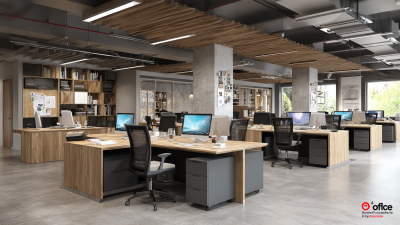
Choosing the right executive office furniture is crucial. It impacts productivity, comfort, and the overall image of the workspace. When selecting furniture, consider functionality and aesthetics. A well-chosen desk can enhance work efficiency. A comfortable chair is not just a luxury; it's essential for long hours.
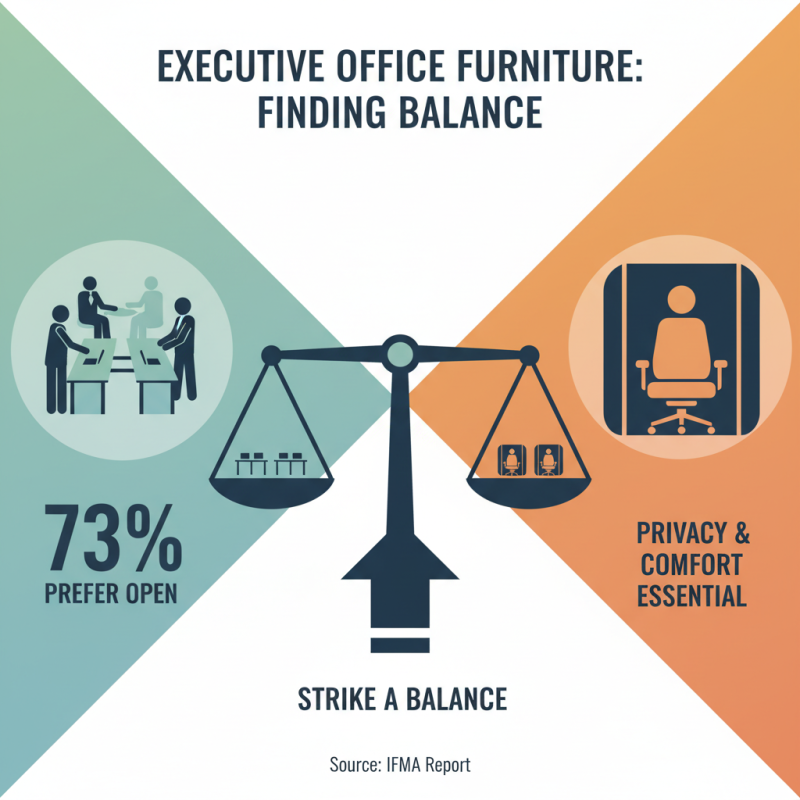
Reflect on color choices too. Dark colors can create a serious environment, while lighter shades may encourage creativity. Often, we overlook how these choices affect moods. Balance is key. Too much clutter can create stress, while an empty space may feel cold and unwelcoming. Each piece should have a purpose.
Do not rush the selection process. Visit showrooms and try different configurations. It’s easy to overlook ergonomics in favor of style. The wrong choice can lead to discomfort or even injuries. Think about storage solutions as well. A lack of storage can lead to disorganization. Furniture should speak to the brand’s identity, reflecting values and goals.
Evaluating Different Styles and Materials of Executive Furniture
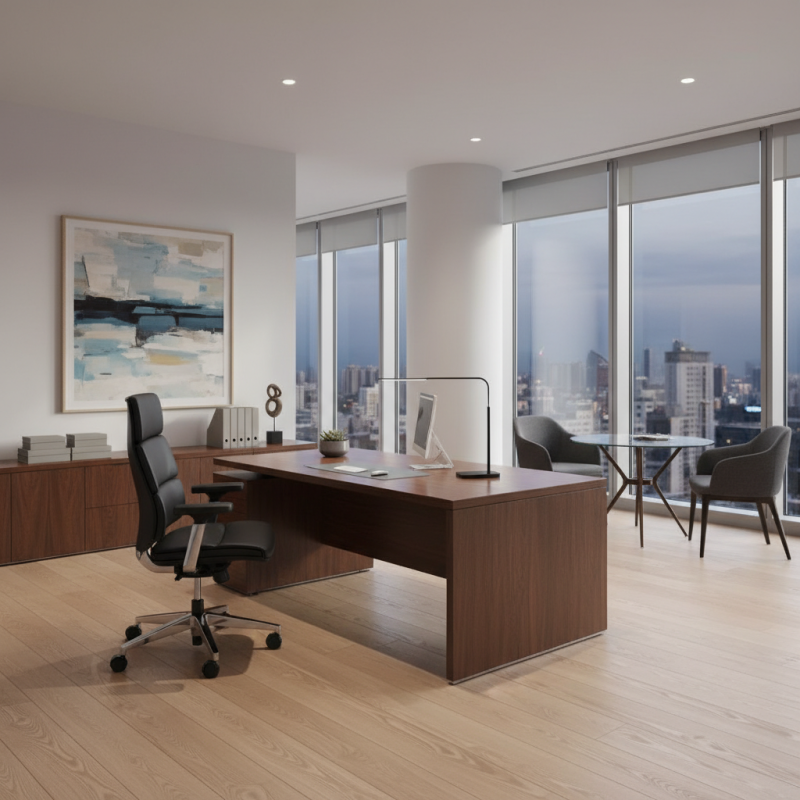
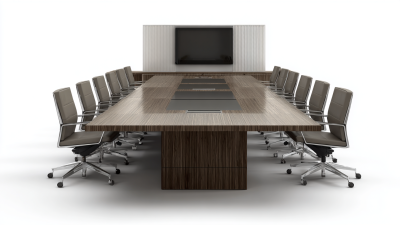
Choosing the right executive office furniture is essential for creating a productive workspace. The style and materials of the furniture can significantly affect the atmosphere. For example, wood offers a classic and warm feel, while metal brings a modern touch. Leather adds sophistication, but it can be expensive.
When evaluating styles, consider your office layout. A sleek, minimalist design can make small spaces feel larger. Conversely, bulky furniture might overwhelm an expansive area. Comfort is also crucial. A plush chair may look inviting, but it might not provide adequate support.
Tips: Measure your space before purchasing. This helps avoid mismatched scales. Choose materials that fit your company's image. For a corporate setting, durable, professional looks are often best. Reflect on how each piece aligns with your work style. Remember, furniture should enhance productivity, not distract from it.
Identifying Key Functionalities and Ergonomics in Office Furniture
Choosing the right office furniture is crucial for any workspace. Focus on functionality and ergonomics to enhance productivity. A well-designed chair can make a significant difference. It should support your posture and encourage movement. For desks, height adjustability is key. This allows you to switch between sitting and standing, promoting better health.
Tips: Consider your daily activities. How much time will you spend at your desk? A chair that feels great for an hour may become uncomfortable after a full day. Test various models before buying. Look for features like lumbar support or adaptable armrests.
Also, think about storage. File cabinets and shelves should be accessible yet unobtrusive. Clutter can disrupt focus. Make sure they complement the workspace layout. Office furniture should reflect a professional image but also be comfortable. Not every piece will fit perfectly. Embrace some trial and error to find the best combinations.
Budgeting and Investing in Quality Executive Office Furniture Options
When budgeting for executive office furniture, quality matters significantly. A recent industry report highlights that purchasing durable furniture can reduce long-term costs by over 20%. Investing in quality pieces not only enhances the workspace but also boosts employee productivity. According to the same study, employees in well-furnished environments report a 15% increase in job satisfaction.
Consider the price per use. Cheaper options may require replacement sooner. Allocating a higher budget for good furniture could lead to savings down the road. Additionally, ergonomic furniture should be a priority. It can decrease health-related absenteeism. Experts estimate that investing in ergonomics saves companies approximately $300 per employee yearly.
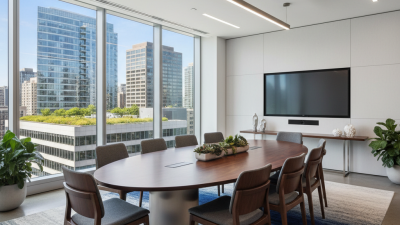
Design and comfort play essential roles. The aesthetics of an office impact client perceptions. Executive furniture that reflects professionalism can leave a lasting impression. However, it’s crucial to avoid overspending. Balancing quality with budget constraints can be tricky. Reflecting on the investment’s value helps. Expensive doesn’t always mean better. Make informed choices. Focus on functionality and worker well-being to achieve a harmonious workspace.