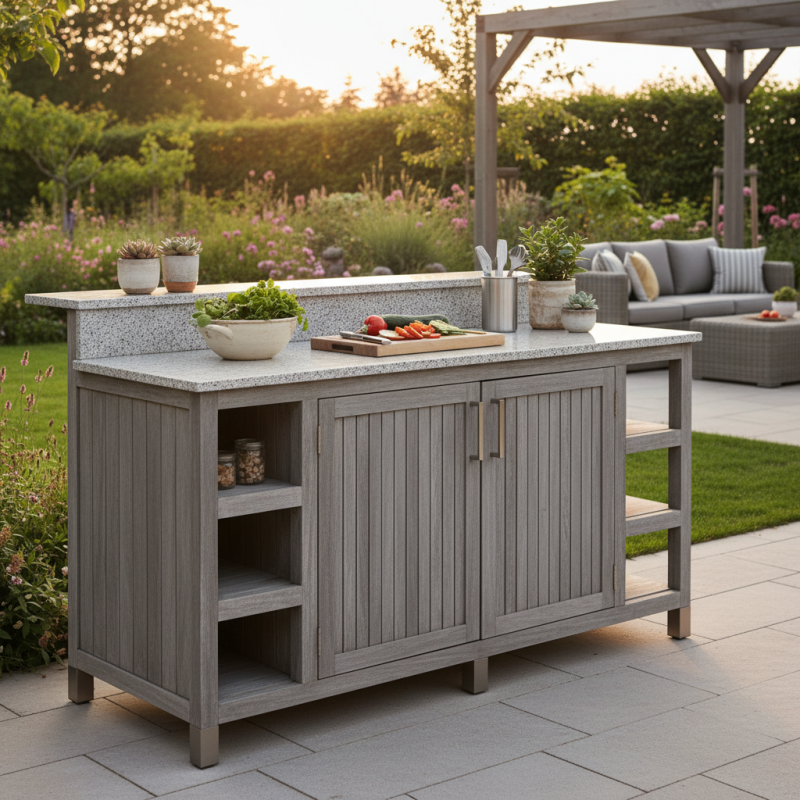
How to Choose the Best Outdoor Counter Cabinet for Your Needs?
Choosing the right Outdoor Counter Cabinet can transform your outdoor space. Whether you want extra storage or a place to prepare food, it matters. A well-selected cabinet enhances functionality and aesthetics.
Consider the materials. Wood, metal, or synthetic options each have their pros and cons. Weather resistance is crucial. Think about your local climate and how it impacts durability. This decision affects the cabinet's lifespan and maintenance needs.
Don't overlook size and layout. Measure your space carefully. Ensure the cabinet fits well without crowding your area. A cluttered outdoor space can quickly lead to frustration. Your cabinet should blend with your style, offering both utility and charm. Making informed choices offers satisfaction in the long run.
Understanding Your Outdoor Space and Storage Needs
When considering the best outdoor counter cabinet, it’s essential to understand your space and storage needs. Measure the area where the cabinet will go. This prevents buying something too large or too small. Note the dimensions of your outdoor kitchen or patio. Think about how you will use the cabinet. Will it store grill tools, dishes, or outdoor games?
Your lifestyle plays a big role too. If you host often, opt for a larger cabinet. It can accommodate more items. Look for features that fit your needs. Some cabinets have shelves, while others include drawers. Reflect on the materials as well. Weather-resistant options can offer durability, but they still need care.
Not every cabinet is perfect. Some might not fit your decor. Others might lack the storage you require. Take the time to think about what is truly essential. A bit of reflection can lead to a choice that better suits your outdoor life. Prioritize functionality and aesthetics together for the best outcome.
Evaluating Different Materials for Outdoor Counter Cabinets
When considering outdoor counter cabinets, material selection is crucial. Common materials include wood, metal, and composite options. Each type has unique benefits and drawbacks. For instance, wood offers an attractive appearance but may require regular maintenance to combat weathering. Many homeowners overlook the effects of moisture and UV exposure on wood longevity.
Metal cabinets, typically constructed from stainless steel or aluminum, are highly durable. They resist rust and corrosion, but some brands report that they can dent easily. Statistics show that while metal cabinets last longer, their heat conductivity can pose issues in high temperatures. A report by Outdoor Living Insights indicates that 70% of homeowners prefer metal for its durability, yet less than 30% are satisfied with their performance over time.
Composite materials have gained popularity. They often blend recycled materials, which appeal to environmentally conscious consumers. However, many consumers express concerns about the durability of composites when exposed to harsh weather conditions. Research indicates that while composites are often marketed as long-lasting, their lifespan can vary significantly based on quality. Understanding these material traits is vital for making informed choices while navigating the available options.
Assessing Size and Dimensions for Functionality and Fit
When choosing an outdoor counter cabinet, size and dimensions are crucial for functionality. A well-organized space enhances your outdoor experience. Industry data suggests that around 70% of homeowners prefer cabinets measuring between 36 to 48 inches in height. This range offers a comfortable working level for food preparation and drink service.
Additionally, the width of the cabinet must complement available space. Narrow cabinets can feel cramped, while units exceeding 60 inches may overwhelm smaller patios. According to a 2022 survey conducted by the National Kitchen and Bath Association, adequate storage is vital. About 80% of users desired at least two shelves to store utensils and supplies.
Consider depth as well. Standard outdoor cabinets are typically 24 inches deep, providing ample space without causing obstruction. However, some designs can be bulkier, which might interfere with movement. Think about your layout and flow. Reflect on the practicality of each dimension. Every inch counts in creating a harmonious outdoor setting.
Exploring Design Features and Styles for Aesthetic Appeal
When selecting an outdoor counter cabinet, aesthetics play a vital role. A cabinet should complement your outdoor space. Colors, textures, and materials matter significantly. Consider options like wood, metal, or composite materials. Each brings a unique style to your patio or garden.
**Tips: Choose a color that matches your home’s exterior. Natural wood grains add warmth; sleek metals provide a modern touch.** The design should not only look good but also offer functionality. Look for cabinets with clean lines and minimal embellishments for a contemporary vibe. Alternatively, a rustic design adds charm to a cozy space.
Functionality impacts choice too. Think about storage needs and accessibility. Assess whether you want open shelves or closed cabinets. Remember that practicality is essential. A beautiful cabinet is useless if it can’t hold your items.
**Tips: Consider adding features like adjustable shelves or drawers for organization. Pay attention to hinges and handles for easy use.** Balancing style and utility is key. Design should enhance your enjoyment of outdoor activities. A well-chosen cabinet reflects your personal style while serving your needs efficiently.
Budget Considerations and Longevity of Outdoor Cabinets
When considering outdoor counter cabinets, budget is a crucial factor. High-quality materials often come with a higher price tag, but they can provide long-term value. Investing in durable options can save you money over time. Cheaper cabinets may require frequent replacements, leading to additional costs. Evaluate your budget carefully. Think about how much you're willing to invest in longevity.
Longevity is about more than just materials. Consider the climate in your area. Outdoor cabinets must withstand weather elements such as rain, sun, and humidity. Stainless steel and weather-resistant woods are often good choices. But these materials can be pricey. You might wonder if the investment is worth it. Reflect on your usage. A well-maintained, durable cabinet can serve you well for years. Replacing low-quality cabinets frequently is a hassle.
Look for warranties and customer reviews. They can provide insight into a product's durability and performance. Sometimes, users share their regrets. They may have chosen cheaper options that didn't last. Listen to these experiences. They can guide you toward making smart decisions. Invest in quality that aligns with your budget and needs. Your outdoor space deserves it.
Outdoor Counter Cabinet Selection: Budget vs. Longevity
This chart illustrates the budget considerations and longevity of outdoor counter cabinets. The average budget for a quality outdoor counter cabinet is approximately $500, while the expected longevity is around 8 years. These factors should be taken into account when selecting the best cabinet for your outdoor needs.