How to Choose the Right Acoustic Ceiling Baffle for Your Space?
Choosing the right Acoustic Ceiling Baffle for your space can seem daunting. Many factors influence this decision. Acoustic ceiling baffles impact sound quality, aesthetics, and functionality. They help manage noise levels in various environments, from offices to classrooms.
Each space has unique acoustic needs. A baffle's material and design can significantly affect sound absorption. For example, porous materials absorb sound better than harder surfaces. Considering the layout and purpose of the room is essential. An open area may need more baffles than a enclosed one to achieve optimal acoustics.
Reflecting on personal experiences with baffles is also crucial. What worked in one setting might not work in another. Take the time to assess your needs carefully. Trustworthy brands and expert recommendations can guide your choice. In this journey of selection, being mindful of your space's specific challenges will lead to successful outcomes.
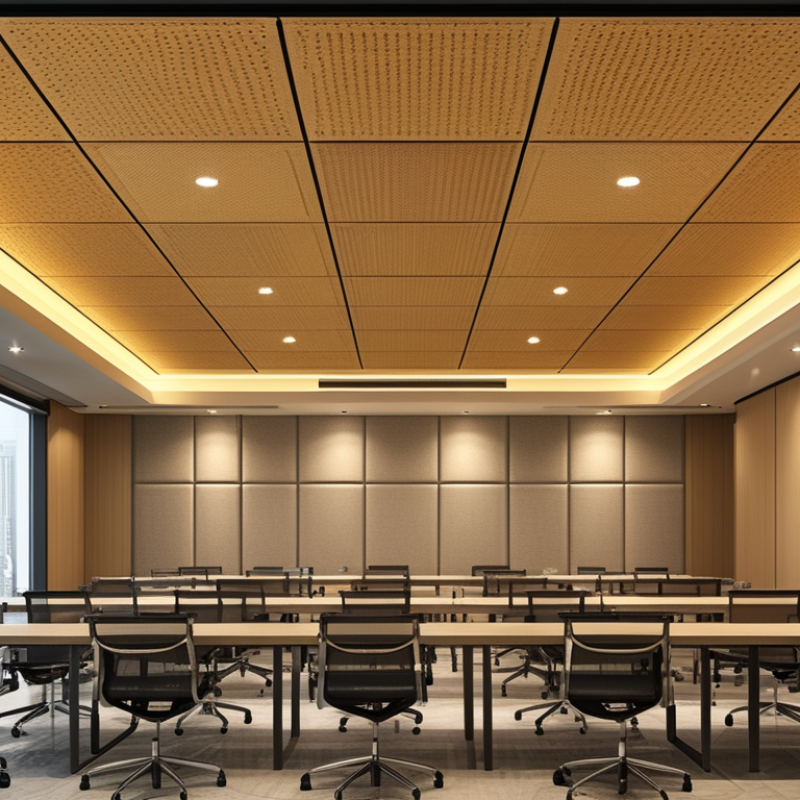
Understanding the Purpose of Acoustic Ceiling Baffles
Acoustic ceiling baffles are essential for controlling sound in various environments. They help reduce noise levels while improving speech intelligibility. Reports indicate that well-designed acoustic solutions can lead to a 25% increase in productivity in office spaces. Understanding their purpose is crucial for selecting the right type.
When choosing baffles, consider the material, size, and placement. Different materials absorb sound at various frequencies. For instance, fiberglass and foam are popular choices. They diminish reverberation effectively. Placement is equally critical. Space configuration impacts sound wave movement. Baffles hung in strategic locations can optimize acoustic performance.
Tip: Always assess the noise levels before installation. Use sound level meters to identify problematic areas. Selecting baffles that address specific acoustic issues will yield better results. Reflecting on past installations for effectiveness can guide future decisions. Avoid assuming one baffle type fits all requirements. Each space has unique acoustic characteristics. Choose wisely to enhance your environment.
Assessing the Acoustic Needs of Your Space
Assessing the acoustic needs of your space is crucial. Whether it’s a bustling café or a quiet office, sound quality matters. High ceilings can lead to echo. Low ceilings may feel cramped and sound trapped. Testing the ambiance with soft music can help gauge the current acoustics.
Consider the materials in your space. Hard surfaces like glass and concrete can amplify sound. Adding soft furnishings might improve the sound absorption. You might also reflect on how noise levels affect your comfort. Is it hard to concentrate? Do conversations echo too much? Identifying these issues helps in choosing the right acoustic baffles.
Measuring the room dimensions is essential. Larger spaces might need more baffles for effective noise reduction. Small areas may require fewer or strategically placed options. Sometimes, getting a professional opinion can be enlightening. They can spot potential issues you may overlook. Understanding these nuances deepens your knowledge and improves your space.
Evaluating Material Options for Ceiling Baffles
Choosing the right material for acoustic ceiling baffles involves several factors. Acoustic baffles can be made from various materials, each offering different sound absorption properties. Common options include fiberglass, foam, and recycled materials. Fiberglass provides excellent sound absorption and durability. It's often used in commercial spaces like offices and schools. Foam is lightweight and easier to install, but may not absorb sound as effectively as fiberglass. Recycled materials are environmentally friendly, appealing to green building projects.
Each material has its advantages and drawbacks. For instance, while fiberglass is effective, it can be more expensive. Foam baffles might not perform as well in larger spaces. Consider the noise levels in your area when choosing materials. Spaces with high ceilings may require denser materials to control sound effectively. Take time to evaluate the specific characteristics of each option. This reflection ensures you select a baffle that meets both aesthetic and acoustic needs. Test samples when possible, as materials might behave differently based on the environment.
How to Choose the Right Acoustic Ceiling Baffle for Your Space? - Evaluating Material Options for Ceiling Baffles
| Material Type | Sound Absorption Coefficient | Fire Rating | Installation Difficulty | Cost per Square Foot |
| Foam | 0.80 | B1 | Easy | $2.00 |
| Mineral Fiber | 0.70 | A | Moderate | $3.50 |
| Wood | 0.60 | B1 | Difficult | $5.00 |
| Fabric Wrapped | 0.75 | C | Moderate | $4.00 |
Determining Design and Aesthetic Considerations
When selecting acoustic ceiling baffles, aesthetics play a crucial role. You want your space to reflect its purpose while also being visually appealing. Consider the colors and textures that will harmonize with the existing decor. A bold color can stand out, creating a focal point. On the other hand, softer shades can blend smoothly into the background.
The shape of the baffles is equally important. Traditional rectangular designs offer simplicity, while organic shapes can add a sense of fluidity. Think about your audience. A creative studio may benefit from playful forms, while a professional office might require more structured designs. It’s essential to balance functionality with artistic expression.
Don't overlook lighting as an aspect of your design. Strategic placement of baffles can enhance the interplay between light and shadows. However, remember that too many baffles or the wrong arrangement can overwhelm the space. Test different layouts before finalizing. This reflective process encourages not just compliance with acoustic needs but aesthetics that truly resonate.
Installation and Maintenance Tips for Acoustic Baffles
When installing acoustic ceiling baffles, proper placement is crucial. Research indicates that strategically placed baffles can reduce noise levels by up to 60% in open spaces. To achieve optimal performance, ensure that baffles are positioned at least 4 to 6 inches away from walls. This gap allows sound waves to bounce effectively and minimizes reflections.
Maintaining these acoustic solutions is equally important. Regular dusting and occasional deep cleaning can extend the lifespan of the baffles. According to a study from the Acoustical Society of America, materials used in baffles can lose efficacy over time if not properly maintained. Check for signs of wear, such as fraying edges or discoloration. These are indicators that replacements may be necessary to sustain sound absorption quality.
Installing acoustic baffles is not solely about aesthetics; it is also about functionality. Many facilities neglect this aspect, leading to persistent noise issues. Monitoring the performance through acoustic measurements can identify when adjustments are needed. This practice ensures environments remain comfortable and conducive to productivity.
