Why Choose WPC Wall Panel for Your Next Project?
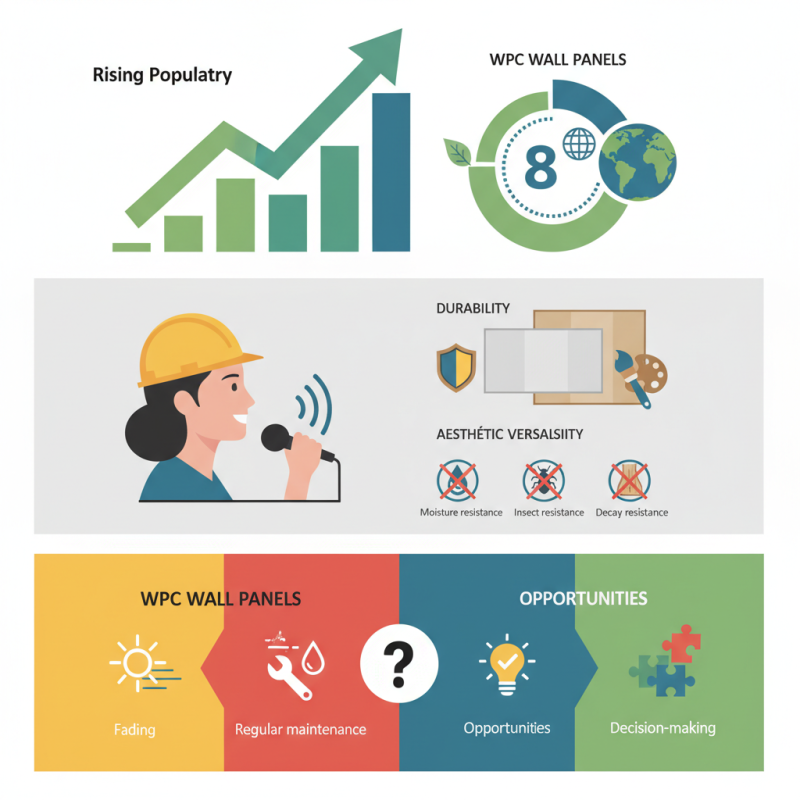
The popularity of Wpc Wall Panels is steadily rising in the construction industry. A recent industry report indicates that the global market for WPCs could reach $8 billion by 2026, driven by a surge in demand for sustainable materials. This trend reflects a growing awareness of environmental concerns and the need for efficient design solutions.
Architectual expert Dr. Emily Chen emphasizes the advantages of WPC as she states, “WPC Wall Panels provide not only durability but also aesthetic versatility.” This underscores the material's dual appeal: functional and visually pleasing. WPC Wall Panels are resistant to moisture, insects, and decay, making them an ideal choice for various environments.
While WPC Wall Panels offer numerous benefits, some critics argue about the potential for fading and require regular maintenance. Balancing these points is essential for informed decision-making. Overall, the choice of WPC Wall Panels presents both opportunities and challenges, making it imperative to understand the full spectrum of their capabilities.
Benefits of Using WPC Wall Panels in Modern Construction Projects
WPC (Wood-Plastic Composite) wall panels are gaining popularity in modern construction. These panels combine wood fibers and plastic for enhanced durability. Their resistance to moisture makes them ideal for areas prone to humidity. Additionally, they require less maintenance than traditional materials, which can save time and effort in the long run.
Considering the environmental impact, WPC panels are often made from recycled materials. This aligns with sustainable building practices, appealing to eco-conscious builders and homeowners. However, it is essential to evaluate the sourcing of these materials for true sustainability. Striking a balance between performance and eco-friendliness can be tricky.
**Tip:** Always check the specifications before installation. Ensure they meet local building codes.
The aesthetic appeal of WPC panels cannot be overlooked. They come in a variety of textures and colors, offering flexibility in design. However, mismatched styles in a larger project can lead to an inconsistent look. It's crucial to plan designs meticulously to avoid this pitfall.
**Tip:** Create a mock-up for large projects. Visualize how different panels work together.
Selecting WPC wall panels can boost both the functionality and aesthetic of your project. However, some may find the upfront costs higher than traditional materials. Weighing these costs against long-term benefits is vital for making informed decisions.
Durability and Maintenance Advantages of WPC Over Traditional Materials
WPC wall panels offer remarkable durability and low maintenance, setting them apart from traditional materials. These panels resist moisture, rot, and insects, making them a superb choice for various environments. Unlike wood, WPC does not warp or splinter, ensuring long-lasting performance. This means fewer repairs and replacements over time, providing cost savings and a hassle-free experience.
When considering WPC panels, think about your project's specific needs. If you expect heavy traffic or exposure to harsh weather, these panels can withstand the test. Installation is straightforward, and they can easily adapt to different designs. Their versatility allows for creative applications in both indoor and outdoor spaces.
**Tip:** When selecting WPC wall panels, test samples to evaluate aesthetics and texture. A variety of colors and finishes are available, allowing you to find the perfect fit for your project. Remember, while WPC is durable, proper installation is key to maximizing its lifespan. Keep in mind that even the best materials require attention and care to maintain their appearance over time.
Sustainability of WPC: Environmental Benefits and Recyclability
Wood-plastic composite (WPC) wall panels are gaining traction in construction. Their environmental benefits are noteworthy. According to a study by the Forest Products Laboratory, WPC uses less energy in manufacturing compared to traditional wood materials. This results in lower carbon emissions, making it a greener choice.
Additionally, WPC panels are highly recyclable. The Recycling Partnership reported that only 9% of plastic waste is recycled globally. However, WPC is designed for reuse. This significantly reduces landfill contributions. Thus, selecting WPC for projects aligns with sustainability goals and minimizes environmental impact.
Yet, it’s essential to acknowledge the challenges. Not all WPC products are equal in quality and recyclability. This inconsistency can lead to confusion in material selection. Considering these factors ensures that projects are both eco-friendly and durable. Choosing quality materials is crucial in driving real change in the industry.
Environmental Benefits of WPC Wall Panels
This chart illustrates the environmental benefits of using WPC wall panels in construction projects. As shown, WPC panels significantly contribute to reducing carbon footprint, offer high durability, are recyclable, result in energy savings, and require low maintenance, making them an excellent choice for sustainable building practices.
Cost Analysis: Long-Term Savings with WPC Wall Panels
When considering materials for wall panels, the long-term financial benefits of WPC (Wood Plastic Composite) panels become apparent. According to a recent industry report, WPC wall panels can reduce maintenance costs by up to 30%. Unlike traditional wood, WPC does not warp or rot. This durability translates into fewer repairs and replacements over time.
A significant factor is energy efficiency. WPC panels can improve insulation, reducing heating and cooling expenses by approximately 15%. The initial investment may be higher, but the savings accumulate. A case study showed that a commercial space using WPC panels saved nearly $2,000 annually on energy bills. It's essential to weigh these long-term savings against immediate costs.
However, not all WPC products are created equal. Some panels may have lower quality materials, affecting their longevity. It's crucial to conduct thorough research. Look into certifications and industry standards when selecting WPC wall panels. Balancing cost with quality can lead to substantial benefits for your project.
Aesthetic Versatility: Design Options for WPC Wall Panels in Interiors
WPC wall panels are gaining popularity in modern interiors due to their aesthetic versatility. They come in a variety of designs, colors, and textures. This allows you to customize spaces easily. From rustic wood looks to sleek modern finishes, the options seem endless. Their adaptability makes them ideal for different design themes.
Choosing WPC panels can transform a plain room. They can serve as accent walls or full-room installations. Imagine a cozy living room with warm wood tones or a sleek office space with a minimalist feel. The right panel can create a lasting impression.
Yet, not all designs will suit every space. It’s essential to consider the overall aesthetic before making a choice. Lighting can change how colors appear. The size of the room could impact your design decision too. Planning is crucial for achieving the best results.
Why Choose WPC Wall Panel for Your Next Project? - Aesthetic Versatility: Design Options for WPC Wall Panels in Interiors
| Design Option | Description | Benefits | Ideal Use Cases |
| Wood Grain Finish | A finish that mimics the appearance of real wood, offering a warm and natural look. | Natural aesthetics, easy to maintain, and resistant to moisture. | Living rooms, offices, and commercial spaces. |
| Color Coated Panels | Panels available in various colors, suitable for modern and vibrant designs. | Wide range of color choices, easy installation, and customizable. | Kids' rooms, cafes, and retail stores. |
| Textured Finish | Panels featuring various textures, such as stone or metal looks. | Adds depth and interest to interiors, durable and easy to clean. | Entrances, feature walls, and accent spaces. |
| Eco-friendly Options | Sustainably sourced materials that promote environmentally friendly practices. | Reduced environmental impact, safe for indoor air quality. | Green buildings, educational institutions, and homes. |
