How to Choose the Best Pet Litter for Your Needs?
Choosing the right Pet Litter is crucial for both pet owners and pets. According to the Pet Industry Market Size report, the global pet care market is expected to reach $202 billion by 2025. This includes a significant share for pet litter, which remains a vital household product. With numerous options available, it's essential to understand the factors that influence choice.
Many pet owners prioritize clumping ability, odor control, and dust levels when selecting litter. A study found that 83% of cat owners prefer clumping litter for its ease of use. However, not all clumping litters are created equal. Some contain harmful chemicals that may affect your pet's health. It's important to balance convenience with safety.
Analyzing your pet’s behavior can yield insights into their preferences. For example, some cats may be sensitive to certain textures or scents. This means experimentation might be necessary. Sometimes, even the most popular brands may not meet individual needs. An informed decision backed by research can lead to a healthier environment for pets and owners alike.
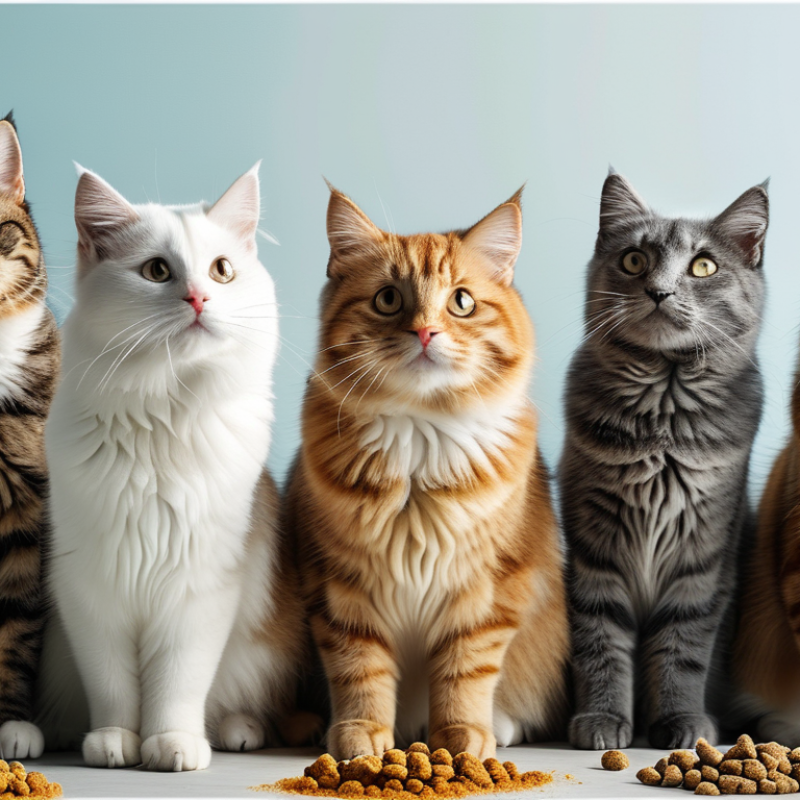
Understanding Different Types of Pet Litter Available in the Market
Choosing the right pet litter involves understanding various types available in the market. One common option is clumping clay litter. This type makes waste removal straightforward. It absorbs moisture, forming solid clumps. Many pet owners appreciate its ease of use. However, it can be dusty, which may affect your pet's respiratory health.
Another popular choice is crystal litter. It effectively controls odors and absorbs moisture well. Unlike clay, it does not clump. This can be a drawback for some, as cleaning the litter box may feel less satisfying. Some users report that their pets dislike the texture, leading to decreased litter box usage.
Biodegradable options are also available. These include wood pellets, corn-based, and recycled paper litters. They are more environmentally friendly, which many pet owners prefer. Yet, they may require more frequent changing and can be less effective at odor control. Balancing your pet's comfort with your cleaning routine remains vital. Understanding these variables allows for a more informed choice tailored to your needs.
How to Choose the Best Pet Litter for Your Needs?
| Type of Litter | Material | Odor Control | Clumping Ability | Dust Level | Biodegradable |
| Clay | Natural Clay | Good | Excellent | High | No |
| Crystal | Silica Gel | Excellent | No | Low | No |
| Wood | Pine/Sawdust | Good | Moderate | Medium | Yes |
| Paper | Recycled Paper | Fair | No | Low | Yes |
| Corn | Corn Kernels | Good | Good | Low | Yes |
Evaluating Absorbency and Odor Control Features of Pet Litters
When choosing pet litter, absorbency and odor control are vital features. High absorbency keeps the litter dry and reduces tracking. It also helps maintain a clean environment for your pet. Some litters absorb moisture quickly and form clumps, which can make cleaning simpler. Paying attention to the materials used in the litter is essential. Natural options often provide better absorbency and are more environmentally friendly.
Tips for evaluating absorbency include observing how quickly the litter clumps after your pet uses it. If it takes longer, consider trying a different type. For odor control, focus on features that neutralize smells effectively rather than just masking them. Natural clumping litters often excel in this area. Some litters may claim to control odors, but their effectiveness can vary. Be prepared to experiment with different products to find what truly works for you and your pet.
Lastly, consider your pet’s preferences. Some cats or small animals may be sensitive to certain textures. This might lead to them avoiding the litter box altogether if they dislike the feel of the litter. It’s worthwhile to observe your pet’s behavior when introducing a new litter type. This trial and error process may lead to discoveries that enhance both your pet's comfort and your home’s cleanliness.
Considering Safety and Health Aspects of Pet Litter Choices
When selecting pet litter, safety and health are paramount. A recent study from the Veterinary Journal indicates that nearly 65% of pet owners express concern over harmful chemicals in litter products. Many clay-based litters contain sodium bentonite. This substance has raised some concerns due to its dust and potential long-term respiratory effects. Dust production is an often-overlooked issue that can affect both pets and humans.
Natural litters, like those made from recycled paper or corn, have gained popularity. According to research by the Journal of Animal Welfare, these options can reduce the risk of chemical exposure. They are often biodegradable, which addresses environmental concerns as well. Yet, some owners find these alternatives have varying absorption rates or odor control capabilities. It’s critical to evaluate which features matter most based on your pet's needs and preferences.
The transition to a new litter type should be gradual. Abrupt changes can lead to refusal to use the litter box, causing anxiety for both pet and owner. It might be necessary to experiment with small quantities. Observing your pet's reaction can help determine the best option. Everyone seeks the ideal solution, but finding the right litter may require time and patience.
Assessing Cost-effectiveness and Environmental Impact of Litter Options
When considering pet litter, cost-effectiveness and environmental impact are key factors. Many pet owners prioritize affordability while maintaining quality. A study indicates that clay litter averages $4 to $15 per 25-pound bag, while natural options like wood or corn can range from $6 to $30. This price range can significantly affect monthly expenses. Owners must calculate how often they are willing to change litter and how much they budget.
Environmental impact is equally crucial. Traditional clay litter is often mined, depleting natural resources. Reports show that over 15 million tons of cat litter are used annually in the United States alone, contributing to landfill waste. In contrast, biodegradable litters made from recycled newspaper or plant materials decompose faster than conventional products. Some break down in as little as 60 days. This switch may cost more upfront but can alleviate long-term waste issues.
Pet owners faced with these choices may feel overwhelmed. Exploring local options for disposal or composting can encourage better choices. Some eco-friendly brands now offer subscription services that simplify access to sustainable products. Though pricer, their advantages could outweigh concerns for environmentally conscious users. The decision isn’t always clear-cut; assessing personal values versus financial implications is essential.
Gathering User Reviews and Recommendations for Pet Litters
When choosing the right pet litter, user reviews can be invaluable. Many pet owners share their experiences online. They discuss the types of odors, dust levels, and absorbency of different litters. These insights help potential buyers make informed decisions. For example, some pet owners prefer clumping litters for easier cleanup, while others favor non-clumping options due to their natural properties.
Reading reviews often reveals common concerns among users. Dust and tracking can be significant issues for many. Some reviews mention a litter’s ability to control odors effectively, while others highlight discomfort for sensitive pets. It's crucial to pay attention to both positive and negative feedback. This balanced view can guide you toward the best choice for your pet and household. Keep in mind that no product is perfect, and there may be trial and error involved in finding the right fit.
