What is Boardroom Furniture and How to Choose the Best Options?
Choosing the right Boardroom Furniture is crucial for effective meetings. The right furniture sets the tone and enhances productivity in the workplace. As industry expert Sarah Thompson, a renowned office design consultant, says, "Boardroom Furniture must balance aesthetics with functionality." This emphasizes the importance of thoughtful selection.
When considering Boardroom Furniture, companies often overlook sizing and ergonomics. A spacious boardroom with inadequate seating can hinder discussions. It's essential to ensure that pieces fit comfortably within the space. Moreover, durable materials are vital. They can withstand the rigors of frequent use and present a professional image.
Another element to contemplate is the furniture's adaptability. A boardroom should accommodate various setups for diverse meetings. Pieces that can be reconfigured easily promote flexibility. However, striking a balance between style and practicality is often a challenging task. Choosing Boardroom Furniture involves reflection on these details to create an efficient meeting environment.
What is Boardroom Furniture? An Overview of Types and Styles
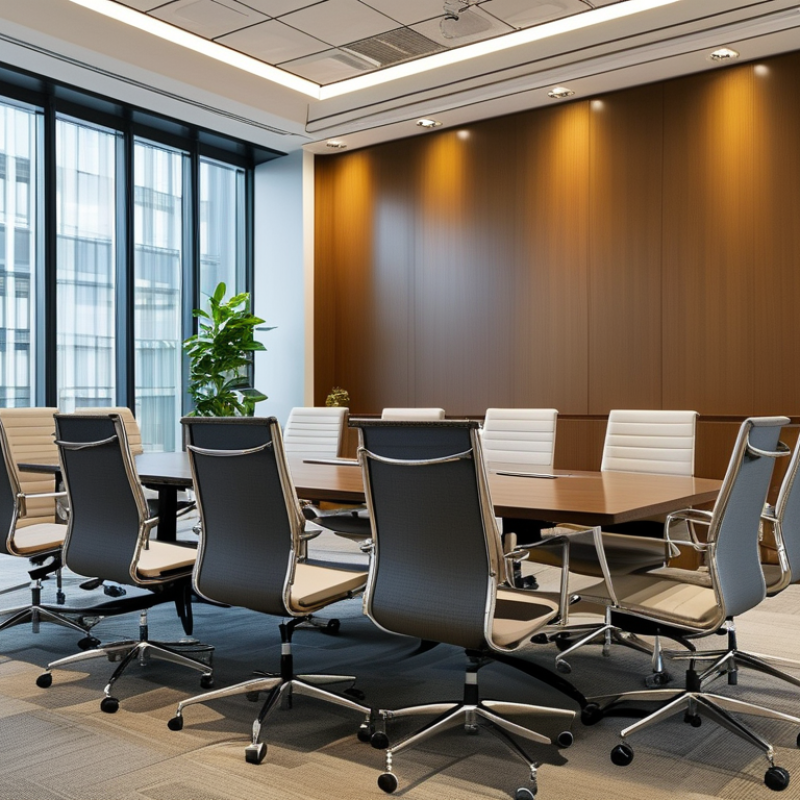
Boardroom furniture plays a vital role in enhancing productivity and fostering collaboration. It typically includes items such as conference tables, chairs, and presentation equipment. Different styles serve various functions. For instance, a U-shaped table layout promotes interaction and is ideal for discussions. A rectangular table, conversely, may suit formal presentations. Each option has its strengths and weaknesses. Consider the type of meetings you'll hold before deciding.
Chairs are equally essential. Ergonomic chairs provide comfort during long sessions. However, they may lack aesthetic appeal. Some might argue that aesthetics shouldn't compromise comfort. Others might prefer stylish designs, even if they aren’t as supportive. The right balance is crucial. Another factor to consider is the overall ambiance of the boardroom. Choosing colors and materials that align with your company’s branding can create a cohesive atmosphere. Natural materials can exude warmth, while metal and glass may signal modernity.
To create an effective boardroom environment, assess your team’s needs. A well-designed space inspires creativity and engagement. Reflect on what works well and what needs improvement. Create room for adjustments in future designs, ensuring that the furniture can be adapted or replaced as your company's needs evolve.
Boardroom Furniture Styles and Preferences
Key Factors to Consider When Choosing Boardroom Furniture
Choosing the right boardroom furniture is crucial for effective meetings. Comfort and functionality are key factors. Research shows that well-designed spaces boost productivity by 20%.
Boardroom chairs should support long periods of sitting. Ergonomics matters here. Adjustable features can cater to different body types and preferences.
Next, consider the layout of your boardroom. A large table can encourage collaboration, while a U-shaped setup fosters discussion. A study in the Journal of Environmental Psychology found that seating arrangements impact group dynamics. The materials used for the furniture also play a significant role. Wood offers durability and warmth, while metal provides a modern aesthetic.
Finally, think about storage options. A clutter-free space promotes focus. Cabinets and side tables can help manage documents and supplies. Budget constraints are always relevant. Allocating resources wisely is essential, but remember that investing in high-quality furniture can lead to long-term savings. This is a common challenge for many organizations. Balancing cost with quality is no easy task.
Materials and Durability in Boardroom Furniture Selection
Choosing the right materials for boardroom furniture is crucial. Wood, metal, and glass are popular choices. Each material offers unique benefits. Wood provides a classic, warm feel, while metal adds a modern touch. Glass can create an illusion of space, but it may require more maintenance. When selecting materials, consider the aesthetic of your boardroom.
Durability is another key factor. High-quality wood can last decades, but softwoods may not hold up as well. Metal is often stronger, resisting dents and scratches. Glass, while elegant, can shatter under pressure. It's essential to assess how often the furniture will be used. If the boardroom sees frequent meetings, prioritize durability.
Think about the maintenance requirements of your choices. Wood may need occasional polishing, while metal surfaces often require wiping down. Glass needs regular cleaning to stay clear. Reflect on your time and resources for upkeep. Balancing beauty and practicality will lead to the best decisions for your boardroom.
Importance of Ergonomics in Boardroom Furniture Choice
When selecting boardroom furniture, ergonomics plays a crucial role. Proper ergonomic design enhances comfort and productivity. It reduces fatigue during lengthy meetings. Chairs with adjustable height and lumbar support can provide the necessary comfort for prolonged sitting. A well-designed table also allows for collaboration and easy access to materials.
Consider the layout of your boardroom. Ensure that seating arrangements promote eye contact and conversation. An ergonomic approach to furniture promotes not only comfort but also a dynamic environment. Folding chairs or modular tables can offer flexibility. However, they may not provide adequate support for everyone.
Think about the materials used in furniture design. Sustainable options can lead to healthier indoor air quality. High-quality materials can enhance durability and aesthetic appeal. However, flashy designs may distract from the meeting’s purpose. Aim for a balance that upholds professionalism while ensuring comfort. Choosing the right boardroom furniture involves weighing ergonomics with functionality and style.
What is Boardroom Furniture and How to Choose the Best Options? - Importance of Ergonomics in Boardroom Furniture Choice
| Furniture Type |
Ergonomic Features |
Recommended Materials |
Average Cost Range ($) |
| Conference Table |
Adjustable height, rounded corners, ample legroom |
Wood, laminate, composite materials |
800 - 3000 |
| Office Chair |
Lumbar support, adjustable armrests, swivel base |
Mesh, leather, fabric |
150 - 1200 |
| Presentation Equipment |
Adjustable height, tiltable screen |
Metal, glass, plastic |
200 - 1500 |
| Storage Cabinet |
Easy access, adjustable shelving |
Wood, metal |
300 - 1200 |
Budgeting for Boardroom Furniture: Cost-Effective Options and Strategies
When budgeting for boardroom furniture, understanding costs is crucial. Reports indicate that businesses spend an average of $8,000 to $12,000 on boardroom setups. Selecting cost-effective options can significantly reduce this figure. Consider modular furniture, which is versatile. It can adapt to different setups and reduce the need for future purchases.
Prioritize essential items first. Focus on the table and chairs, which are the core of any boardroom. Ergonomic chairs might cost more upfront but can lead to employee satisfaction and productivity. Studies show that investing $1,000 in ergonomic solutions can yield a return of about $20,000 in productivity gains.
Be mindful of aesthetics too. A well-furnished boardroom reflects the company’s values. However, over-investing in luxury items can strain budgets. Look for deals on quality used furniture or consider leasing options, which can optimize cash flow. Finding a balance between functionality and cost is often a complex challenge. Engage stakeholders during the selection process for better alignment.