
7 Best Ceramic Home Decor Products for Global Buyers

Ceramic Home Decor is moving beyond occasional tableware and decorative accents. It now shapes dining rooms, entryways, bedrooms, and hospitality spaces worldwide. Fortune Business Insights estimates that the global ceramic tableware market reached approximately USD 10.72 billion in 2023. Its report also forecasts continued growth through 2032, supported by design demand and household consumption.

The opportunity is attractive, but global buying requires careful judgment. A glossy vase may look perfect online, yet its glaze, weight, packaging, and origin matter. Buyers should examine dimensions, food-contact safety, firing quality, care instructions, and shipping protection. These details often decide whether a beautiful product becomes a lasting object or expensive clutter. Not every popular piece deserves a place at home.

Ceramic artist and author Edmund de Waal writes, “The world is made of stories, not atoms.” His words explain why handmade ceramics feel different. Each bowl can show a visible throwing mark, a soft kiln variation, or a slightly uneven rim. Those imperfections may be meaningful. They may also reflect inconsistent production. This guide evaluates seven Ceramic Home Decor products through design, function, craftsmanship, durability, and buyer practicality. Market references include Fortune Business Insights and Grand View Research, alongside product-level checks commonly used by professional interior buyers. The selection is not absolute. Personal taste, climate, room scale, and local delivery conditions still matter. Good decor should survive real life, not only photographs.
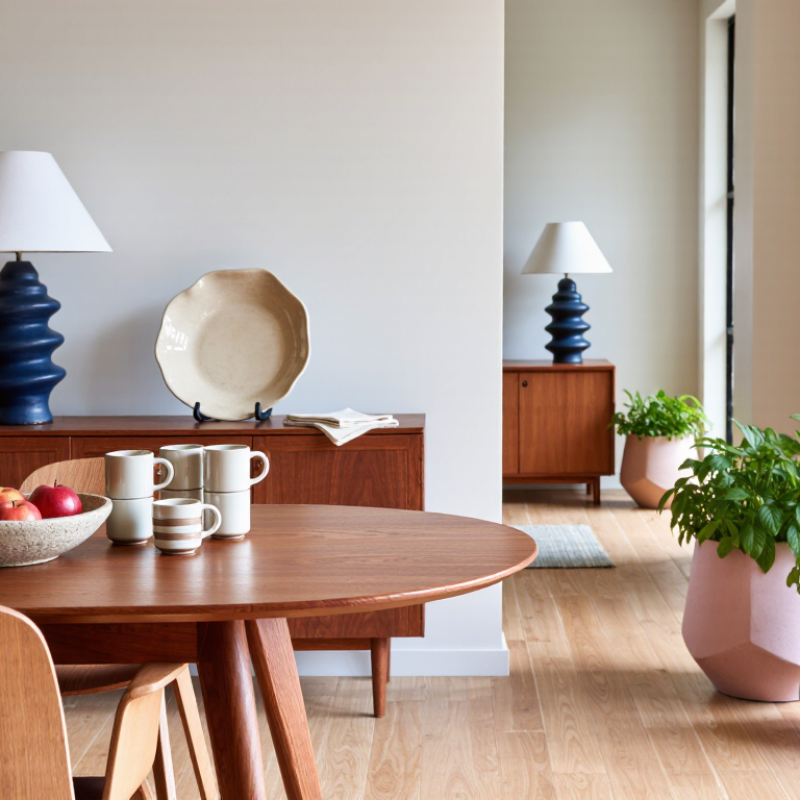
7 Best Ceramic Home Decor Products for Global Buyers

Ceramic Vases and Planters for Versatile Interior Styling

Ceramic Vases and Planters for Versatile Interior Styling

Ceramic vases and planters can change a room without demanding a complete redesign. For global buyers, seven practical choices include bud vases, cylinder vases, sculptural vessels, hanging planters, tabletop pots, floor planters, and textured cachepots. Each shape supports a different styling purpose. A narrow bud vase suits a small desk or bedside table. A tall cylinder vase gives leafy branches more visual height. A rounded planter softens sharp furniture and brightens quiet corners.

Material quality deserves careful attention. Look for evenly glazed surfaces, stable bases, and smooth, sealed rims. Planters should include drainage holes unless they are designed as decorative cachepots. Measure the inner diameter before ordering, especially when pairing a ceramic pot with a nursery container. Thickness also matters. Thin ceramic may look refined, but thicker walls usually handle daily movement better. Confirm product dimensions, weight, packaging, and care instructions before international purchase.

I once chose a beautiful planter that was too shallow for its plant. It looked balanced, but the roots dried quickly. That mistake still influences my buying decisions. I now check plant depth, drainage, and available sunlight together. Matte finishes hide fingerprints, while glossy finishes reflect window light. Handmade surfaces may show small variations. That is part of their character, though not everyone prefers it. Neutral white, sand, charcoal, and muted green work across many interior styles, while earthy textures add warmth beside wood, linen, or stone.

7 Best Ceramic Home Decor Products for Global Buyers - Ceramic Vases and Planters for Versatile Interior Styling

Product Type Typical Size Ceramic Material & Finish Best Interior Use Key Functional Feature Care Guidance Indicative Retail Range
1. Minimalist Cylinder Vase 20–30 cm high
10–14 cm diameter
Stoneware or porcelain; matte white, beige, or soft gray glaze Dining tables, consoles, shelves, and entryways Stable narrow opening for single stems or small bouquets Hand-wash with mild soap; use a felt pad on delicate surfaces US$18–45
2. Handled Ceramic Bud Vase Set 10–18 cm high
8–12 cm diameter per piece
Glazed ceramic; assorted neutral or pastel colors Bedside tables, coffee tables, office desks, and open shelving Compact size and handles allow flexible grouping and styling Rinse after use; avoid abrasive cleaning materials US$22–55 per set
3. Ribbed Floor Vase 45–70 cm high
20–30 cm diameter
Thick stoneware; ribbed body with satin or textured finish Living-room corners, hotel lobbies, and spacious hallways Large visual impact for dried branches and decorative foliage Use indoors on a level surface; add protective padding beneath the base US$70–180
4. Geometric Hanging Planter 12–18 cm high
14–20 cm diameter
High-fired ceramic; glazed exterior with cotton or synthetic hanger Windows, balconies, kitchens, and modern interiors Saves floor space and suits trailing plants and herbs Confirm ceiling load capacity; remove excess water after watering US$25–65
5. Indoor Ceramic Planter with Saucer 15–25 cm high
18–30 cm diameter
Stoneware; smooth glazed finish in earth tones or monochrome shades Living rooms, workspaces, bedrooms, and reception areas Drainage hole and matching saucer help protect furniture Empty the saucer regularly; check plant roots and drainage US$30–85
6. Textured Tabletop Planter 10–16 cm high
12–20 cm diameter
Porcelain or fine stoneware; embossed, fluted, or hand-textured surface Desks, bookshelves, dining areas, and small apartments Lightweight decorative option for succulents and compact plants Use a waterproof liner if the planter has no drainage hole US$16–42
7. Reactive-Glaze Statement Vase 25–40 cm high
16–24 cm diameter
Stoneware; kiln-fired reactive glaze with individually varied color effects Feature walls, sideboards, dining rooms, and hospitality interiors Decorative focal point suitable for flowers or display on its own Hand-wash; avoid sudden temperature changes and prolonged standing water US$45–120

Note: Dimensions and prices are typical market ranges for comparable ceramic home decor products and may vary by size, craftsmanship, finish, packaging, and sales channel.

Decorative Ceramic Sculptures and Figurines for Global Homes

Decorative Ceramic Sculptures and Figurines for Global Homes

Decorative ceramic sculptures add character without occupying much space. A matte bird on a bookshelf feels calm, while a glossy abstract figure creates a stronger focal point. Global buyers increasingly value handmade appearance, natural textures, and small-batch individuality.

Grand View Research reported that the global home décor market reached about USD 682.8 billion in 2023. It also forecasts steady growth through 2030. This wider trend supports demand for distinctive ceramic accents.

For international homes, size and packaging matter as much as appearance. A 15-centimeter figurine suits apartment shelving, bedside tables, and office corners. Hollow forms reduce weight, but fragile arms and thin tails need protective inserts.

Buyers should check glaze consistency, firing quality, and the sculpture’s stability. A slightly uneven finish can feel authentic. It can also disappoint customers expecting factory-perfect symmetry.

Product photos must show scale, surface texture, and the underside clearly. The International Trade Centre highlights product quality and market compliance as important factors in cross-border trade.

Tips: Request material and safety documentation before ordering. Ask whether the glaze contains restricted heavy metals. Use recyclable cushioning where practical. Test one sample before placing a larger order. Neutral colors travel well, but regional tastes still vary. A warm terracotta finish may suit Mediterranean interiors, while white ceramic often fits minimalist spaces. Avoid assuming one style works everywhere.

Ceramic Lamps and Candle Holders for Warm Ambient Lighting

Ceramic lamps and candle holders bring warm ambient lighting into bedrooms, dining areas, and quiet reading corners. Their glazed surfaces soften harsh light, while earthy textures make a room feel more personal. I have found that a matte ceramic lamp creates a calmer glow than a highly polished finish. Light changes everything.

For global buyers, check the lamp’s socket type, voltage compatibility, cable length, and plug requirements before ordering. A heavy base improves stability on narrow tables. Choose candle holders with a wide, level opening and enough space around the flame. Heat-resistant ceramic is important, but it does not remove the need for supervision. Keep candles away from curtains, books, and children.

Small details affect daily use. A slightly uneven handmade glaze can add character, though it may disappoint buyers expecting identical pieces. I once selected a beautiful holder with a shallow base, and melted wax reached the table. That mistake changed my buying checklist. Removable wax trays, smooth inner surfaces, and non-slip pads are practical features worth checking. For online purchases, request clear photos of the underside, inner cavity, and electrical label. Product descriptions can be incomplete. So can measurements. Warm lighting should feel inviting, not stressful.

7 Best Ceramic Home Decor Products for Global Buyers

Typical warm-light color temperature benchmarks for ceramic lamps and candle holders.

Candlelight is typically around 1,500–1,900 K, while warm residential lighting commonly ranges from 2,200–3,000 K. Lower Kelvin values create a warmer, more intimate atmosphere.

Ceramic Wall Art and Tiles for Distinctive Home Accents

Ceramic wall art and decorative tiles can turn plain rooms into distinctive home accents.

Their value lies in texture, color, and careful placement. A hand-finished relief tile may catch morning light above a dining table. Small geometric tiles can create a quiet border around a fireplace or kitchen shelf.

For global buyers, material details deserve close attention.

Glazed ceramic usually resists stains and handles routine cleaning well. However, wall tiles are not always suitable for floors. Ask about water absorption, thickness, firing temperature, and recommended adhesive before ordering.

Tile dimensions can vary slightly, especially with handmade pieces. That variation adds character, but it can complicate installation. Measure the wall twice. Then plan the layout on the floor.

In renovation projects, I prefer restrained combinations. One textured panel can work better than an entire patterned wall. Warm white grout softens strong colors, while dark grout emphasizes every joint.

Protect fragile relief surfaces with firm, moisture-resistant packaging. Include corner guards and clear product measurements.

Customs requirements and local installation rules also differ between countries. Check them early.

Some imperfections are useful.

A tiny glaze shift may make a handmade panel feel more personal. Still, uneven edges should not hide cracks, weak backing, or unstable glaze.

Request close-up photographs and installation guidance. A beautiful tile should remain practical after the room becomes busy.

Key Buying Standards for Quality, Safety, Shipping, and Maintenance

For global buyers, ceramic home decor should be judged beyond appearance.

Vases, planters, figurines, and candle holders need stable bases and even glazing. Check for pinholes, hairline cracks, rough edges, and uneven feet.

A practical supplier file should include clay composition, firing temperature, glaze details, and batch inspection records. ISO 6486 testing is relevant when ceramic items may contact food or beverages. Perfect surfaces are not always realistic, but hidden cracks are unacceptable.

Safety paperwork matters.

Ask for lead and cadmium migration results from an independent laboratory. The U.S. Consumer Product Safety Commission limits lead in surface coatings to 90 parts per million. These limits do not automatically cover every decorative product, so buyers must confirm the intended use.

Clear warnings are useful. Vague claims are not.

Packaging also deserves testing. UNCTAD’s Review of Maritime Transport 2024 states that maritime shipping carries over 80% of global merchandise trade by volume. Use double-wall cartons, molded inserts, corner protection, and moisture barriers. ISTA-style drop testing can reveal weak packaging before a container leaves the factory.

Maintenance instructions should be specific.

Wipe glazed surfaces with a soft cloth and pH-neutral soap. Avoid abrasive powders and sudden temperature changes. Unglazed ceramic may absorb water, so use a saucer under planters and dry the base regularly.

Check candle holders for soot and heat damage. Dishwasher use should never be assumed.

A small inspection mistake can become a costly return. Clearance and freight costs also need review, because heavy ceramic may look affordable before shipping, but not afterward.