Top Battery Powered Pool Vacuum for Easy Cleaning?
Keeping a pool clean should not require dragging a heavy cord across wet decking. A Battery Powered Pool Vacuum can remove leaves, sand, insects, and settled debris with less preparation. Yet choosing the right model requires more than trusting a polished product photo. Battery capacity, suction performance, filter design, weight, and water resistance can change the cleaning experience significantly.
This guide examines the top battery-powered options for easy pool cleaning. It focuses on practical details that matter beside the water. These include how long a charge lasts, how quickly the filter fills, and whether the vacuum reaches corners comfortably. It also considers handheld balance, pole compatibility, charging time, and replacement-part availability. Small details matter. A blocked filter can weaken suction before the pool looks clean.
Reliable recommendations should come from clear specifications, consistent testing methods, and realistic expectations. A compact vacuum may suit a spa or small above-ground pool, but struggle with heavy debris in a larger pool. A powerful model may clean faster, yet feel tiring during longer sessions. No model is perfect. Even careful comparisons can miss differences caused by water depth, debris type, or user technique. That uncertainty deserves attention. The following overview weighs convenience against performance, helping readers identify a Battery Powered Pool Vacuum that fits their pool size, cleaning habits, and maintenance budget. Real pools are messier than advertisements suggest.
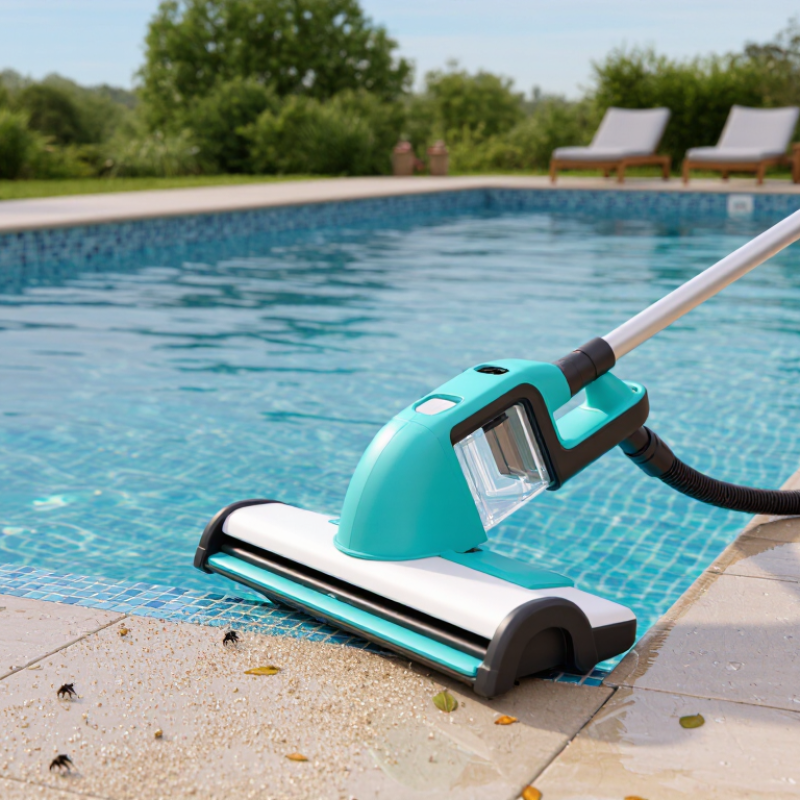
What Is a Battery-Powered Pool Vacuum?
A battery-powered pool vacuum is a portable cleaning device that removes leaves, sand, hair, and fine debris from a pool. It usually combines a rechargeable battery, a small motor, a suction head, and a reusable filter chamber. Unlike a traditional vacuum, it does not need a long hose connected to the pool’s circulation system.
The battery drives the motor directly. You guide the vacuum across the floor, steps, and shallow walls. Some models collect debris in a mesh basket, while others use a fine cartridge. Runtime often depends on debris volume, water depth, battery age, and filter resistance. It is quiet and convenient. It is not completely effortless.
The Pool & Hot Tub Alliance reports more than 10 million residential swimming pools in the United States. That scale creates frequent demand for practical maintenance tools. ENERGY STAR reports that efficient variable-speed pool pumps can use up to 65% less energy than single-speed models, although a battery vacuum serves a different purpose. It performs spot cleaning rather than continuous circulation.
In my experience, the biggest mistake is treating this device as a complete water-care system. It removes visible dirt, but it does not replace filtration, testing, or disinfection. The CDC’s Model Aquatic Health Code emphasizes regular circulation and water-quality control. A full debris basket can also weaken suction quickly. I learned that checking the filter halfway through cleaning saves time, though I sometimes still forget.
How Battery-Powered Pool Vacuums Work
A battery-powered pool vacuum uses a rechargeable battery to drive a small electric motor. The motor turns an impeller, creating water movement through the cleaning head. Debris-laden water travels into a filter bag or collection chamber. Cleaned water returns to the pool, so no external hose is required. The design feels simple, but the water path matters. A clogged filter reduces flow quickly. Fine dust can also pass through coarse screens and settle again.
Before cleaning, check the charge, seals, and empty debris chamber. A loose cover may allow water near the battery compartment. That is a failure worth preventing. After switching on, move the head slowly across steps, corners, and the floor. Slow passes improve pickup because the suction zone is small. Brushes loosen algae film and grit, while the impeller carries material into the chamber. Some vacuums use a telescopic pole, making deeper areas easier to reach without entering the water.
Runtime depends on battery capacity, debris load, temperature, and brush resistance. Heavy leaves can block intake openings. Sand may require repeated passes. The vacuum is convenient, yet it cannot replace balanced water chemistry or a working filtration system. Rinse the filter after each use, dry external contacts, and follow charging instructions. Advertised runtime is only an estimate. Pool shape and neglected corners can change the actual cleaning time.
Key Features to Compare Before Buying
Top Battery Powered Pool Vacuum for Easy Cleaning?
Before buying, compare runtime under real debris, not an empty-pool advertisement. A vacuum rated for 60 minutes may work for less with leaves, sand, and a clogged filter. Look for a removable lithium battery, clear charging instructions, and overheat protection. The U.S. Department of Energy explains that battery capacity declines with age, temperature, and repeated cycling. Storage matters too. Keep it cool and dry.
Check suction strength beside filtration quality. Strong suction is useless if fine dust escapes through the mesh. A washable filter with a stated micron rating is more useful than vague “deep-cleaning” language. The head should reach corners, steps, and narrow drains without forcing your wrist. I would test the handle with one hand. Small details matter.
Water handling also deserves attention. The U.S. Environmental Protection Agency reports that household leaks can waste nearly 10,000 gallons annually. A vacuum that collects debris efficiently may reduce unnecessary draining or repeated cleaning, although it cannot fix poor filtration. Review IP protection information, seal quality, replacement parts, and warranty terms. The International Electrotechnical Commission’s ingress-protection framework offers a useful reference, but an IP rating does not guarantee long-term pool performance. That distinction is easy to miss. Some claims still need skepticism.
Step-by-Step Guide to Using a Pool Vacuum
A battery-powered pool vacuum works best when used methodically, not hurriedly. The Pool & Hot Tub Alliance estimates that the United States has more than 11 million residential pools, making consistent maintenance a major equipment concern. Before cleaning, remove floating leaves with a net. Check the vacuum head, filter basket, and battery charge. Small preparation prevents mid-cleaning interruptions.
Lower the vacuum slowly to avoid stirring the floor. Move it in overlapping lines, like mowing a lawn. Start at the shallow end and work toward the drain. Keep the head flat against the surface. Pause when debris clouds the water. Rushing usually spreads dirt. For steps and corners, use short, controlled strokes. My own mistake was pulling the vacuum too quickly; the fine sand simply returned.
After vacuuming, remove and rinse the filter according to its instructions. Never store the unit wet or connected to the charger. The Centers for Disease Control and Prevention reports about 4,000 fatal unintentional drownings annually in the United States, so electrical safety around water deserves equal attention. Keep charging equipment away from the pool edge, and inspect seals for damage. Test water chemistry after cleaning, because disturbed debris can affect clarity. A clean-looking pool is not always a balanced pool.
Maintenance, Safety, and Storage Tips
Top Battery Powered Pool Vacuum for Easy Cleaning?
Maintenance, Safety, and Storage Tips
A battery powered pool vacuum works best when its filter stays clear. Rinse the filter after every use, especially after removing sand or fine leaves. Check the brush head for trapped hair, stones, and brittle plastic. I once skipped this step and noticed weaker suction the next day. Small debris can strain the motor. Inspect the handle, seals, and charging port before each session. Do not operate the vacuum if its casing is cracked or swollen.
Keep electrical components away from standing water during charging. Remove the vacuum from the pool before opening the filter compartment. Charge the battery in a dry, ventilated place, away from direct sunlight and heat. Follow the supplied charging instructions, because battery designs differ. Never use a damaged cable. Children should not handle the vacuum or charger without close supervision. This sounds obvious, but rushed cleaning creates avoidable risks.
Storage matters more than many owners expect. Empty the filter, rinse the vacuum with fresh water, and let every part dry completely. A damp compartment can develop odor, corrosion, or cloudy residue. Store the unit upright in a cool, protected cabinet. Avoid leaving it beside pool chemicals. If the manual recommends partial charging during storage, follow that guidance. I still sometimes forget the final rinse, so a simple reminder near the equipment area helps.
Top Battery Powered Pool Vacuum for Easy Cleaning: Maintenance, Safety, and Storage Tips
Recommended care intervals for a battery-powered pool vacuum. Rinse the unit after every use, inspect the filter regularly, and fully prepare it for extended storage.
For safe operation, switch off the vacuum before clearing debris, keep the charger and battery contacts dry, and use only the specified charger. Before storage, clean and dry the vacuum, remove debris from the filter, and store the battery in a cool, dry location away from direct sunlight and extreme temperatures.
