
2026 Top 10 Most Popular Canadian Cigarette Brands
Canada’s cigarette market is shaped by changing consumer habits, provincial differences, and a strong public-health focus. Health Canada’s 2022 Canadian Tobacco and Nicotine Survey found that about one in ten Canadians aged 15 and older reported smoking cigarettes. That figure offers useful context, but it does not reveal which brands lead sales. A ranking needs more than a familiar name on a store shelf.
This guide explores the most popular top 10 canadian cigarettes as a market-information topic, not a recommendation. Statistics Canada’s Canadian Community Health Survey tracks smoking patterns, while reports such as Euromonitor International’s Tobacco in Canada examine market categories and commercial trends. These sources use different methods and may cover different periods. Their findings should not be treated as a single definitive brand ranking.
The 2026 list should therefore be read with care. Publicly available Canadian data do not provide a simple, continuously updated national ranking of cigarette brands by retail sales. Availability and reported popularity can vary by province, retailer, and measurement method. Small differences matter. This article will explain the basis for its comparisons, identify where evidence is limited, and distinguish documented market information from estimates. Cigarettes carry serious health risks, and brand popularity does not indicate safety. That distinction is easy to miss.
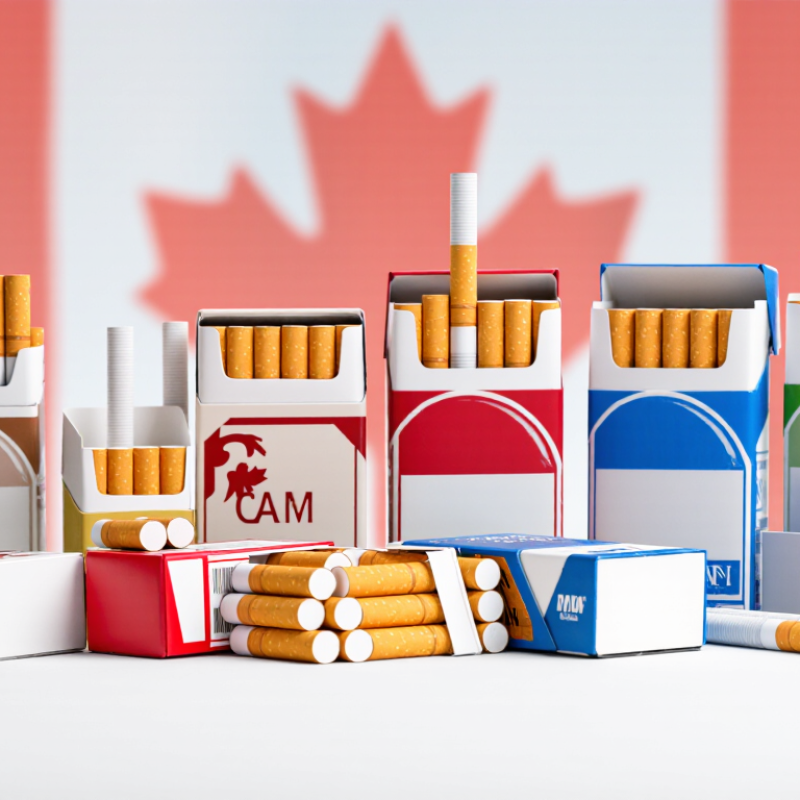
Canadian Cigarette Brands: Market Context and Defining Features
Canada’s cigarette market is shaped by provincial taxes, retail rules, and changing consumer habits. A “top” ranking can shift depending on whether it measures sales, survey responses, or store availability. These measures are not interchangeable. Data may also lag behind market changes, so any 2026 list should explain its sources and date range.
Defining features often include price, pack size, product format, and the information required on packaging. These details affect how products appear on shelves, but they do not prove that one option is safer or better. Prices can differ between provinces, and a familiar package may reflect availability rather than broad popularity. The picture is uneven. Retail observations alone offer only a partial view.
Reliable market analysis should compare independent research with official statistics and clearly note limitations. It should also distinguish reported preference from actual purchasing behavior. One detail is easy to overlook: a sales ranking says little about why people buy a product. Cigarette use carries serious health risks, and no packaging style or product feature removes them. Some figures remain uncertain, which deserves plain acknowledgement rather than a confident guess.
How Popularity Is Measured in the Canadian Tobacco Market
Popularity in Canada’s tobacco market is not captured by one simple score. A credible 2026 ranking should compare several measures, including verified retail sales, adult consumer surveys, and search interest. Sales data can show what moves through participating stores, while surveys reveal recognition or reported purchasing. These measures describe different things, so they should not be treated as interchangeable.
A careful analysis also checks the data’s date, geographic coverage, and source. Provincial differences, store sampling, and survey wording can shift the results. Search activity may reflect news or curiosity rather than purchases. For a fair comparison, researchers should explain their method, use consistent time periods, and avoid presenting estimates as exact national totals. Even then, gaps remain; market data is rarely perfectly complete.
Tips: Look for clearly dated sources and stated methods. Separate sales from awareness, and treat online interest as a supporting signal, not proof of demand. Rankings can inform market analysis, but they do not establish product quality or health outcomes.
Ten Widely Recognized Canadian Cigarette Brands in 2026
In 2026, “widely recognized” does not necessarily mean widely preferred. Familiarity can come from long market presence, common packaging cues, and repeated visibility in retail settings. These signals explain recognition, but they do not establish quality or safety. That matters. Public rankings can also differ by region and measurement method. Without transparent, comparable sales data, a precise top-ten order may suggest more certainty than the evidence supports.
Canadian cigarette brands may be familiar to adults for different reasons, including past exposure or local availability. A package’s colors and layout can be memorable, much like a sign seen often on a neighborhood street. Still, recognition is not endorsement. Cigarette smoke contains harmful substances, and nicotine can lead to dependence. Familiarity cannot make smoking risk-free. Even a neat ranking needs a second look.
Tips: Treat popularity lists as snapshots, not recommendations. Check who compiled the data and what “popular” means. If you smoke and want to stop, a healthcare professional can help you explore support options. A ranking cannot tell you what is right for your health.
Brand Profiles: History, Product Lines, and Market Presence
Canadian cigarette brand profiles are most useful as historical and retail snapshots, not endorsements. Established product lines may include different tobacco blends, filter designs, and pack sizes. Their names and availability can change over time. A careful profile should separate documented launch history from current listings, which may be outdated. That distinction matters. Public information rarely gives a complete, comparable account of every product line.
Health Canada’s 2022 Canadian Tobacco and Nicotine Survey reported that about 11% of Canadians aged 15 and older smoked cigarettes daily or occasionally. This is population data, not a measure of brand popularity. Not a sales ranking. For market presence, analysts may consult commercial tracking services, including Euromonitor International’s Tobacco in Canada reports; public surveys do not provide a definitive national top-ten table. Rankings can also vary by region and reporting period. A limitation remains: without consistent, publicly available brand-level sales data, any “most popular” list risks presenting estimates as fact.
Regulation, Packaging, and Public Health Considerations in Canada
A “top 10” list can describe market attention, but it cannot measure safety. In Canada, tobacco packaging is tightly regulated. Health Canada’s Tobacco Products Labelling Regulations require large health warnings on cigarette packages, and warnings also appear on individual cigarettes. These rules make risks harder to miss, even on a small pack beside a checkout counter.
Health Canada’s 2022 Canadian Tobacco and Nicotine Survey reported that about 10% of Canadians aged 15 and older were current cigarette smokers. That figure offers useful context, but it does not explain why people smoke or how exposure varies. Plain packaging and prominent warnings can reduce the appeal of product design. Still, packaging rules cannot do everything. That gap deserves attention.
Tips: Treat popularity as a sales measure, not a health endorsement. Check current Health Canada guidance for verified risk information and support to quit. When reviewing packaging, look for clear warnings and required information; do not rely on color or design to judge risk.
This table summarizes Canadian regulatory and public-health considerations; it is not a ranking of cigarette brands or sales popularity.
| No. | Topic | Verified Canadian information | Why it matters | Authoritative source |
|---|---|---|---|---|
| 1 | Standardized packaging | Federal rules require standardized, plain packaging for tobacco products, including restrictions on package appearance, colours, and decorative elements. | Reduces the use of packaging as a promotional tool and makes required health information more prominent. | Tobacco Products Regulations (Plain and Standardized Appearance) |
| 2 | Package health warnings | Federal labelling rules require health warnings on tobacco product packages. Cigarette package warnings are required to occupy 75% of the principal display areas. | Provides prominent health information at the point of purchase and during product use. | Tobacco Products Regulations (Plain and Standardized Appearance) |
| 3 | Warnings on individual cigarettes | Canada’s tobacco labelling requirements include health warnings printed directly on individual cigarettes, with implementation dates set out in the regulations. | Extends health messaging beyond the package, including when cigarettes are shared or removed from a pack. | Health Canada: Federal tobacco regulations |
| 4 | Flavour restrictions | Federal regulations prohibit menthol as an additive in cigarettes and certain other tobacco products. Additional federal and provincial or territorial restrictions may apply to other products. | Flavour restrictions are intended to reduce the appeal of tobacco products, particularly to young people. | Tobacco Products Regulations (Prohibited Additives) |
| 5 | Minimum age for sale | Federal law prohibits furnishing tobacco products to young persons under 18. Provinces and territories may set a higher minimum age for tobacco sales. | Retailers must follow the applicable rules in their jurisdiction; the legal age is not uniform across Canada. | Tobacco and Vaping Products Act |
| 6 | Federal and provincial taxes | Tobacco products are subject to federal excise duty, and provincial or territorial tobacco taxes may also apply. Rates can change over time. | Tax treatment affects retail prices and is one component of tobacco-control policy. | Canada Revenue Agency: Tobacco duties |
| 7 | Smoke-free places | Smoking restrictions in workplaces and public places are governed largely by provincial, territorial, and municipal laws, which differ by location. | People should check local rules before smoking; restrictions help limit involuntary exposure to second-hand smoke. | Health Canada: Tobacco legislation |
| 8 | Health risks | Smoking is addictive and causes serious diseases, including cancers, cardiovascular disease, and respiratory disease. There is no risk-free level of tobacco smoking. | Risk information is relevant to prevention, cessation support, and public-health decisions. | Health Canada: Health effects of smoking |
| 9 | Second-hand smoke | Second-hand tobacco smoke contains harmful substances and can expose non-smokers, including children, to health risks. | Smoke-free homes, vehicles, workplaces, and public spaces help protect people who do not smoke. | Health Canada: Second-hand smoke |
| 10 | Popularity and market data | Public-health surveys report tobacco-use measures, while an official brand-by-brand popularity ranking is not provided in this table. | Survey prevalence, sales, and brand popularity are different measures and should not be treated as interchangeable. | Health Canada: Canadian Tobacco and Nicotine Survey |
