2026 Best Restroom Stall Walls Features and Innovations?
Restroom Stall Walls are often taken for granted, yet they play a crucial role in public spaces. In 2026, we will see remarkable innovations and features designed to enhance user experience and safety. These walls are no longer just about privacy; they incorporate advanced materials and technologies.
Modern restroom stall walls focus on hygiene. Antimicrobial surfaces can reduce the risk of germs spreading. Additionally, smart technology might allow for self-cleaning features, which are both efficient and eco-friendly. However, some innovations may not resonate with everyone. Not all users appreciate high-tech solutions in spaces meant for privacy.
Comfort and aesthetics also matter. Restroom stall walls are evolving to offer more than basic functionality. Design choices can reflect local culture or art, making the restroom experience more enjoyable. Yet, there are challenges. Balancing aesthetics with durability remains a struggle for many designers. While some trends aim for elegance, they may compromise the sturdiness required in high-traffic areas.
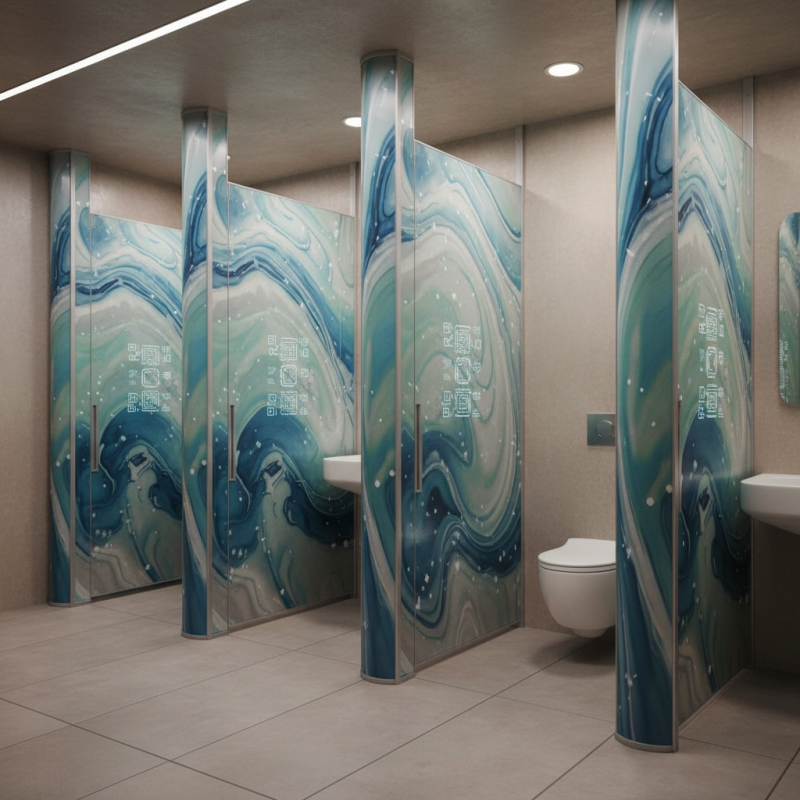
Key Materials Used in 2026 Restroom Stall Walls Innovations
The restroom stall walls of 2026 are set to redefine user experience with innovative materials. Key among these are high-density polyethylene (HDPE) and sustainable bamboo composites. HDPE is known for its durability and resistance to moisture, making it ideal for high-traffic areas. Conversely, bamboo provides an eco-friendly option, appealing to environmentally conscious consumers.
Recent industry reports indicate that nearly 40% of restroom installations are now using sustainable materials. This shift is driven by a growing emphasis on eco-friendliness and lifecycle assessments. However, some facilities still struggle to balance aesthetics and utility. Users consistently report that cleanliness is often compromised in stalls using traditional materials.
**Tip:** Consider using materials that are easy to clean and maintain. Regular maintenance is key to ensuring a positive restroom experience.
Innovations like antimicrobial coatings are gaining traction, aiding in keeping restroom stalls hygienic. These coatings inhibit bacterial growth, which is a convincing feature in today's health-conscious society. While these advancements are promising, many users feel that the overall design often lacks warmth. Balancing functionality and comfort remains a challenge for designers in 2026.
**Tip:** Evaluate the acoustic properties of stall walls. Ensuring privacy is essential in enhancing user comfort.
Advanced Privacy Features in Restroom Stall Design
The design of restroom stall walls is evolving with a focus on privacy. Advanced features are emerging to enhance user comfort. Soundproofing materials help to minimize noise, making visits more discreet. While some stalls use thicker materials, others focus on unique angles to obscure sight lines. This balance between aesthetics and functionality creates a more pleasant experience.
Innovations like automatic locking mechanisms add an extra layer of security. Users can feel confident that their space is protected. However, even the best designs can falter. Some doors may jam or fail to lock properly. This opens a discussion on reliability versus design flair. Designers must consider how functionality impacts user experience directly.
Additional privacy features include taller partitions. These walls extend above average heights, creating a sense of enclosure. Yet, this can lead to challenges in maintenance and cleaning. Long-term durability of these materials also raises concerns. As facilities upgrade stalls, they must weigh the cost of innovation against long-term usability. After all, aesthetics should not compromise safety and comfort.
Eco-Friendly and Sustainable Solutions for Restroom Stall Walls
Eco-friendly restroom stall walls are gaining popularity. Innovations focus on sustainable materials. According to industry reports, around 70% of consumers consider sustainability in their choices. They prefer products made from recycled content. This shift reflects a broader commitment to protecting the environment.
Materials like bamboo, reclaimed wood, and recycled plastics are trending. They offer durability and a modern look. However, not all eco-friendly options are created equal. Some may not hold up as well as traditional materials. A thorough analysis before selection is essential. Consider the lifecycle of these materials to ensure true sustainability.
Tips: Always check certifications for eco-friendly products. Look for those labeled with recognized sustainability standards. This can help ensure you’re making responsible choices. Keep in mind, maintaining these walls can also impact their longevity and environmental footprint. Regular cleaning with sustainable products will prolong their life.
Smart Technology Integrations in Modern Restroom Stalls
Modern restroom stalls are transforming with smart technology. These innovations aim to enhance user experience and improve cleanliness. For example, touchless faucets and soap dispensers minimize contact. This ensures a more hygienic environment, which is crucial in public restrooms. However, such technology can sometimes malfunction. Imagine a soap dispenser refusing to work during peak hours. Frustrating!
Integration of sensors is another notable feature. These sensors detect occupancy, ensuring stalls are used efficiently. It reduces waiting times. Yet, there's a downside. If the sensor fails, it could lead to confusion. Users might think a stall is free when it’s not. Additionally, user privacy remains a concern. Transparent partitions can offer visibility to staff but compromise comfort.
Smart mirrors are also making waves. They can provide information or entertainment while users attend to their needs. However, there's a risk of distraction. People might spend more time in the stall than necessary. Balancing innovation with user experience is crucial. Each feature should genuinely enhance restroom use without creating new problems.
Aesthetic Trends Influencing Restroom Stall Wall Designs in 2026
In 2026, restroom stall wall designs are embracing aesthetic trends that balance form and function. Color choices lean heavily towards calming greens and soft earth tones. These colors create a relaxing atmosphere. Patterns also play a key role. Subtle textures and geometric designs are becoming popular, adding visual interest without overwhelming the space.
Sustainability is another focal point. Recycled materials are often used in stall walls. This trend reflects a growing awareness of environmental impact. However, some designs can appear less robust due to their eco-friendly nature. There is a constant push and pull between durability and sustainability. This creates a challenge for designers who want to make functional yet stylish choices.
Another interesting innovation involves the use of technology. Smart wall features, like integrated lights and sensors, are starting to emerge. They enhance user experience but also raise privacy concerns. Users might feel uneasy with constant monitoring, despite the convenience it offers. This duality in design highlights the need for thoughtful reflection on priorities in restroom spaces.
