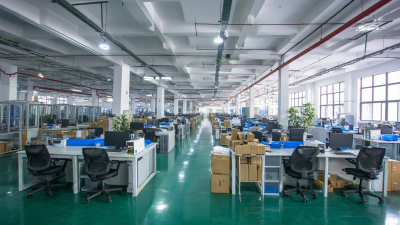
2025 Top Ergonomic Furniture Trends for Modern Workspaces
As the landscape of modern workspaces continues to evolve, the significance of Ergonomic Furniture has never been more pronounced. With an increasing number of individuals spending long hours at their desks, the demand for innovative and health-conscious furniture solutions is on the rise. Noted Ergonomic Furniture expert Dr. Jane Thompson emphasizes the necessity of this trend, stating, "Investing in ergonomic designs not only boosts productivity but also enhances overall well-being in the workplace." This insight underscores the growing recognition that the right furniture can play a pivotal role in both comfort and efficiency.
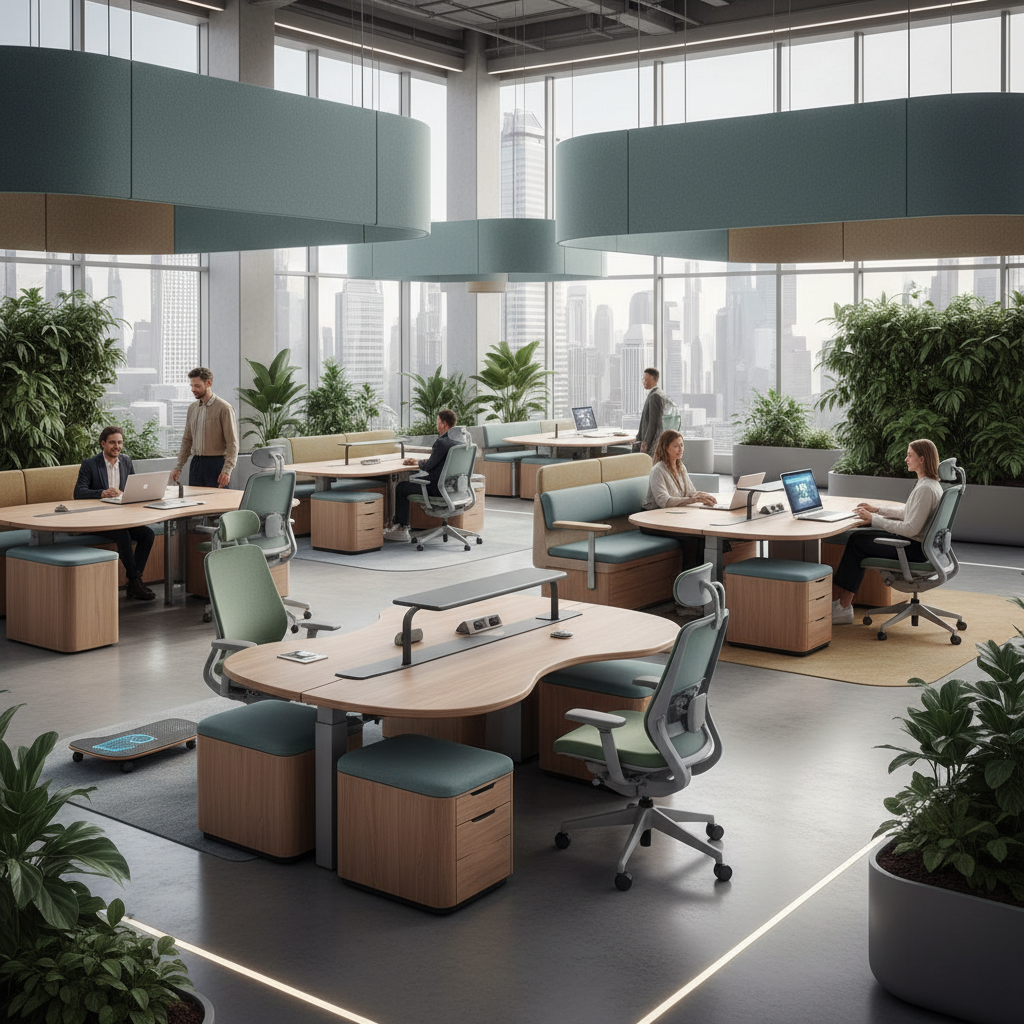
The year 2025 promises to showcase a range of transformative ergonomic designs tailored to meet the unique needs of diverse work environments. As we explore the top trends on the horizon, organizations will be better equipped to create spaces that foster well-being and improve employee satisfaction. From adaptable workstations to responsive seating options, these innovations aim to strike a balance between aesthetics and functionality, ensuring that every workspace is optimized for performance. As we delve into the anticipated Ergonomic Furniture trends of 2025, it becomes clear that the future of work is not only about technology but also about creating environments where people can thrive.
Embracing Active Lifestyle: Integrating Movement into Modern Office Design
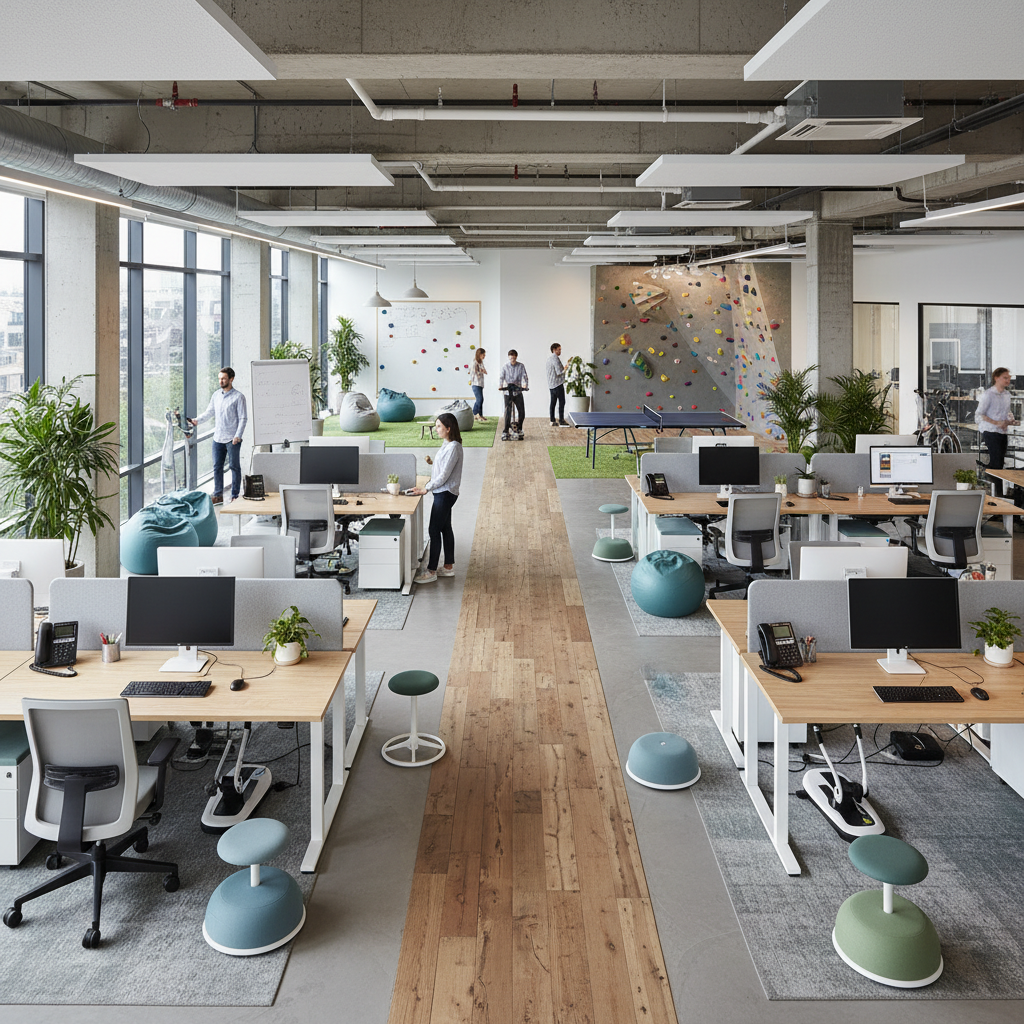
The modern workplace is rapidly evolving, with a growing emphasis on promoting an active lifestyle through innovative office design. Integrating movement into the workspace helps not only to enhance employee well-being but also to boost productivity and creativity. Workstations are now being designed to encourage flexibility and dynamism, allowing employees to switch between sitting and standing throughout the day. This blend of ergonomic furniture, like sit-stand desks and active seating options, fosters a healthier environment by reducing sedentary behavior.
Moreover, office layouts are adapting to create more open, collaborative spaces that inspire movement. Incorporating features such as walking paths, breakout areas, and casual meeting spaces encourages employees to engage in physical activity during their workday. Such thoughtful design elements not only facilitate movement but also promote social interaction and teamwork. As organizations recognize the importance of an active lifestyle in their workplaces, we can expect to see these trends further dominate the landscape of modern office design in 2025 and beyond.
Smart Ergonomic Solutions: The Rise of Height-Adjustable Desks in 2025
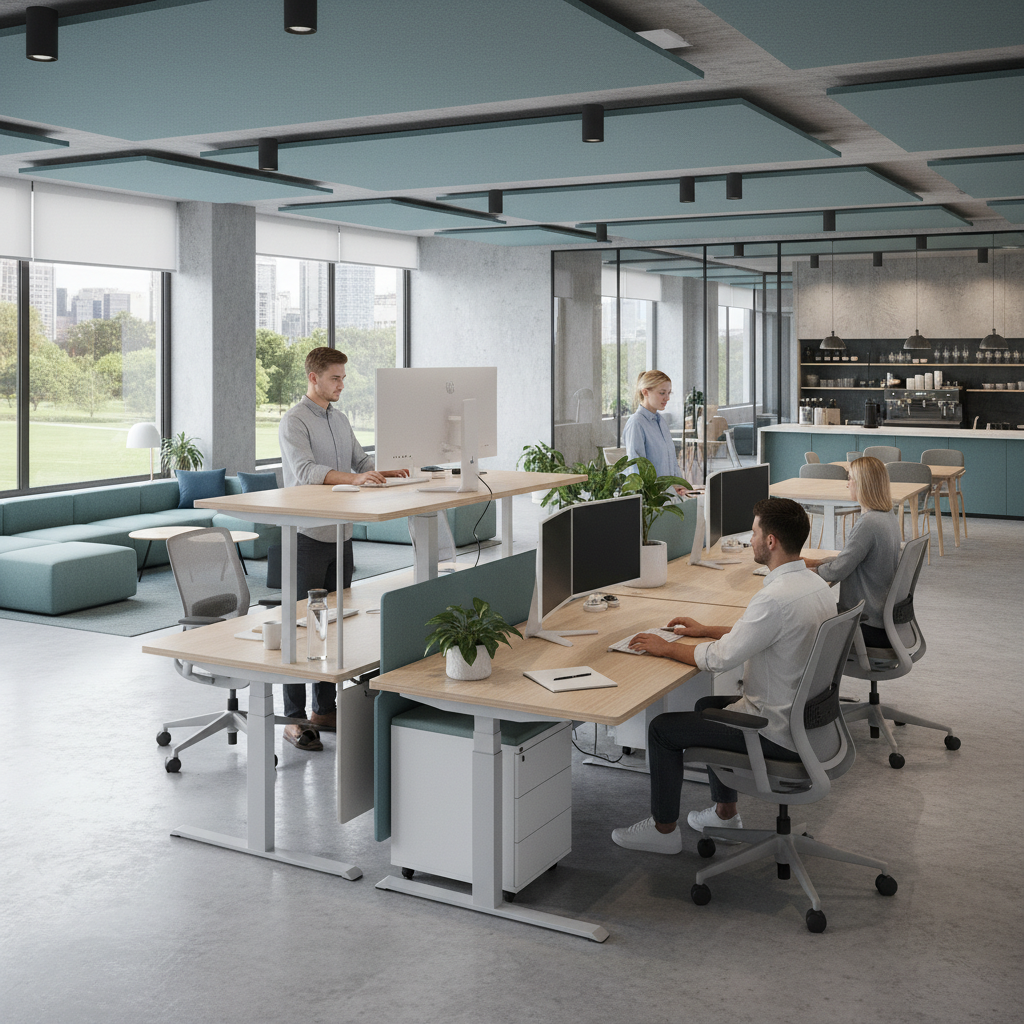
The workplace landscape is rapidly evolving, with an increasing emphasis on ergonomic solutions that promote health and productivity. In 2025, height-adjustable desks have emerged as a pivotal component in modern workspaces. These desks allow employees to easily switch between sitting and standing positions, reducing the risk of discomfort and long-term health issues associated with prolonged sitting. This flexibility not only enhances physical well-being but also encourages a dynamic work environment that can adapt to individual working styles.
As the demand for smart furniture continues to grow, innovative designs like the LumiDesk exemplify the trend towards integrating technology with ergonomic functionality. Such desks are engineered to not only support varied postures but also incorporate features that promote better workflow and efficiency. The focus on ergonomic accessories has expanded beyond desks to include a range of products like footrests and office chairs, all designed to create a cohesive and comfortable workspace that fosters well-being and efficiency.
The Importance of Biophilic Design: Enhancing Workspace Comfort and Well-being
Biophilic design has emerged as a compelling trend in modern workspaces, emphasizing the connection between nature and employee well-being. According to a study by the Human Spaces report, environments that incorporate natural elements can boost employee productivity by up to 15%. This is attributed to the positive effects of natural light, greenery, and organic materials. As companies seek to create healthier work environments, integrating biophilic elements such as indoor plants, water features, and ample daylight becomes essential in nurturing a more inviting workspace.
Moreover, research from the University of Queensland indicates that workplaces enhanced with biophilic design not only improve mood and reduce stress levels but also foster creativity and innovation. With employees spending an average of 8-9 hours a day at work, the importance of incorporating elements that mimic nature cannot be overstated. Implementing features like living walls, open-air workspaces, and natural ventilation systems is increasingly viewed as an investment in workforce well-being. Businesses that prioritize biophilic design are not only enhancing comfort but are also paving the way for a more engaged and satisfied workforce.
2025 Top Ergonomic Furniture Trends for Modern Workspaces
As workplaces evolve, ergonomic furniture trends are increasingly emphasizing comfort and well-being. This chart illustrates the projected popularity of various furniture trends in 2025, highlighting the significance of biophilic design and its impact on creating healthier work environments.
Future of Ergonomics: Leveraging AI for Personalized Furniture Solutions
The future of ergonomics in modern workspaces is increasingly influenced by advancements in artificial intelligence (AI), which can provide personalized furniture solutions tailored to individual needs. According to a report from the Global Market Insights, the ergonomic furniture market is anticipated to reach $94 billion by 2026, driven by the rising awareness of employee health and productivity. AI-driven technologies can analyze user behaviors and preferences, creating a customized experience that promotes comfort and efficiency.
**Tip:** Incorporating adjustable desks and smart seating that responds to your posture can significantly enhance your work experience.
Moreover, AI applications can recommend specific ergonomic adjustments based on data gathered from users’ work habits, thus minimizing musculoskeletal disorders, as highlighted in a study by the Occupational Safety and Health Administration (OSHA). The integration of AI into ergonomic furniture design not only elevates user satisfaction but also fosters a workplace that adapts dynamically to its occupants’ needs.
**Tip:** Regularly assess your workspace through AI insights to ensure that your furniture adapts to any changes in your work style.
2025 Top Ergonomic Furniture Trends for Modern Workspaces
| Trend | Description | Key Features | Benefits |
|---|---|---|---|
| Smart Desks | Desks that adjust height automatically based on user preferences and activity. | Height adjustment, memory presets, app connectivity. | Enhances productivity and comfort, promotes movement. |
| AI-Powered Chairs | Chairs that adapt to the user’s body shape and sitting style using AI technology. | Body scanning, dynamic adjustment, posture correction. | Reduces strain, improves posture, boosts focus. |
| Modular Workstations | Flexible workspaces that can be customized based on team needs. | Interchangeable parts, adjustable configurations, collaborative zones. | Encourages teamwork, adapts to various tasks, space-efficient. |
| Standing Meeting Tables | Tables designed for standing meetings to promote active participation. | Height adjustability, integrated tech features, sleek design. | Increases energy, reduces meeting duration, enhances creativity. |
| Ergonomic Accessories | Accessories that complement ergonomic setups, like keyboard trays and footrests. | Adjustable height, anti-fatigue designs, improved ergonomics. | Enhances overall office ergonomics, reduces discomfort. |
Sustainability in Ergonomic Furniture: Meeting the Demands of Eco-conscious Workspaces
In today's world, where eco-consciousness is more prevalent than ever, the demand for sustainable ergonomic furniture is on the rise. Modern workspaces are shifting towards designs that not only prioritize health and comfort but also consider environmental impact. Manufacturers are increasingly opting for materials that are reclaimed, recycled, or sustainably sourced, which significantly reduces the carbon footprint of office furniture. Additionally, innovations in production techniques minimize waste, ensuring that ergonomic needs don’t compromise environmental integrity.
Tips for creating a sustainable workspace include selecting furniture made from natural materials, such as bamboo or FSC-certified wood, which are not only durable but also biodegradable. Incorporating modular furniture can promote flexibility and longevity, allowing spaces to adapt to new needs without the need for constant replacement. Lastly, consider investing in multi-functional pieces that combine form and function, reducing the need for excessive items and supporting a minimalist approach to workspace design. By integrating these principles, businesses can create a modern workspace that champions both employee well-being and environmental responsibility.
Related Posts
-
Discover Unmatched Manufacturing Excellence from a World Class Chinese Factory for the Best Ergonomic Furniture
-
5 Compelling Reasons to Choose Best Ergonomic Furniture for Global Procurement Success
-
Transforming Office Comfort at the 2025 Canton Fair with Ergonomic Office Seating Solutions
-
Discover Unmatched Comfort with Best Ergonomic Office Seating from World Class Chinese Manufacturers
-
Unlocking the Advantages of Best Institutional Furniture in Modern Workspaces
-
7 Reasons Why Office Cabinet Solutions Are Essential for Modern Workspaces